
The Finnish Environment Institute (Syke), the Helsinki-Uusimaa Regional Council, the Council of Tampere Region, and Valonia collaborate to develop monitoring and scenario tools that support climate action and the green transition at regional and municipal levels. By mapping the current state of monitoring, sharing best practices, and developing Syke’s existing tools, the project aims to reinforce the knowledge base for sustainable planning and decision-making.
Throughout the Tehoava project (2025–2027), data will be collected on current indicators and monitoring practices used by municipalities and regions in their climate and green transition work. These indicators and tools will be tested in cooperation with municipalities, regional councils, joint municipal authorities and businesses. The project also includes training sessions to introduce new features of the scenario tool.
From Mapping to Sharing Best Practices
The Helsinki-Uusimaa Regional Council is one of the project’s implementing partners. During the first year, it will coordinate a nationwide review of current monitoring practices related to climate action and the green transition in municipalities and regions. The findings will inform the development of Syke’s indicators and emission scenario tool and provide examples for improving sustainability monitoring practices across Finland.
In the second year, the Helsinki-Uusimaa Regional Council will organise meetings for regional councils to exchange experiences and discuss best practices in sustainability monitoring. The council will also be responsible for arranging regional workshops and pilot activities within the project.
What Does Tehoava Offer to Municipalities?
Tehoava provides municipalities with data, tools, and expertise to support climate and green transition monitoring. Syke’s existing monitoring services will be further developed, including expanding the range of indicators and enabling the assessment of impacts beyond emissions in the scenario tool. A new regional-level feature will also be added to support municipal climate work.
Municipalities in Helsinki-Uusimaa can participate in the project in four key phases. In autumn 2025, they will be invited to respond to a survey as part of the monitoring review, helping to highlight the region’s specific characteristics. Between 2025 and 2027, workshops will be held to test Syke’s current climate indicators and pilot new features of the emission scenario tool with municipalities, regions, and other stakeholders. Finally, municipalities will be able to take part in training sessions organised towards the end of the project.
The Finnish Environment Institute (Syke) annually calculates consumption-based greenhouse gas emissions for all Finnish municipalities, regions, and ELY Centres. These emissions are calculated using a harmonised methodology that follows international guidelines – known as the Hinku calculation method – ensuring comparability across all municipalities.
In early 2025, Syke integrated its climate indicators service into the emissions data service. In addition to use-based emissions, Syke has also calculated consumption-based emissions for all Finnish municipalities and regions, although these figures are not updated annually.
Syke also maintains a scenario tool that enables the creation of municipality-specific greenhouse gas emission scenarios. These scenarios are based on current emission levels and various influencing factors and measures. The tool is designed to support the preparation of municipal climate plans. As part of the Tehoava project, a new regional-level scenario feature will be added to the tool.
The Helsinki-Uusimaa Regional Council uses Syke’s emissions data service to monitor greenhouse gas emissions in the region. According to the updated Towards Carbon Neutrality through Cooperation action programme (spring 2025), ten municipalities in Uusimaa currently use the service to track their emissions. In addition, four other emissions calculation models are used within the region.
Municipalities in Helsinki-Uusimaa are actively working to mitigate climate change. In many cases, climate action is integrated into broader sustainability efforts, such as environmental programmes or resource-wise strategies. The Municipal Climate Action page provides an overview of the goals, plans, and networks supporting climate work across the region’s municipalities.
The project has received funding from the European Union’s regional and structural policy programme the Innovation and Skills in Finland 2021–2027. The funding authority is the Economic Development Centre of Northern Finland.

Find out more
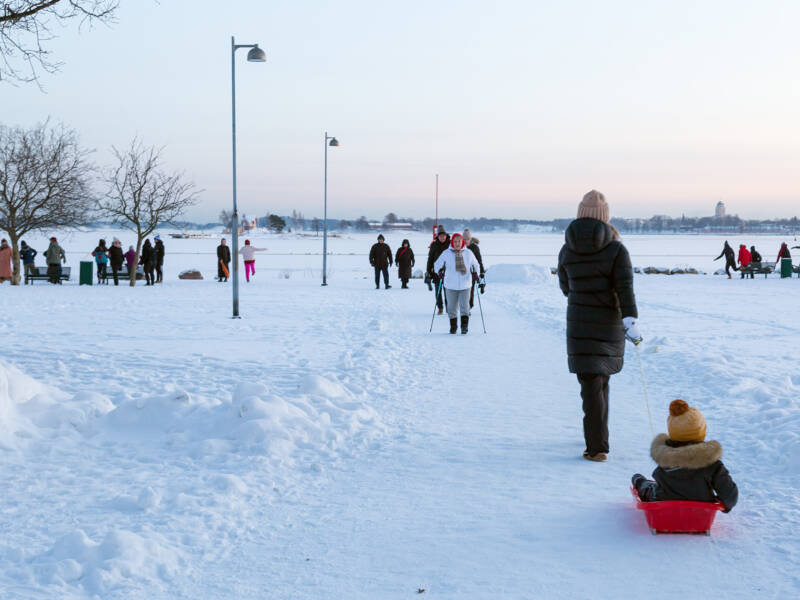
Environmentally Smart Helsinki-Uusimaa
Helsinki-Uusimaa is aiming at climate neutrality by the year of 2030, in line with the forerunner municipalities of the region. The Helsinki-Uusimaa Regional Climate Roadmap is the guideline for the climate work.
For more information, please contact:

Current
 News
News
8.10.2026
Over billion euros in Horizon Europe funding secured for Helsinki-Uusimaa
Organisations in the Helsinki-Uusimaa region have so far received around 1.07 billion euros from the European Union's Horizon Europe programme for research, development and innovation (RDI) activities. This is more than 60 per cent of all the funding Finland has received during the EU's current programme period of 2021–2027.
 Cases
Cases
7.10.2026
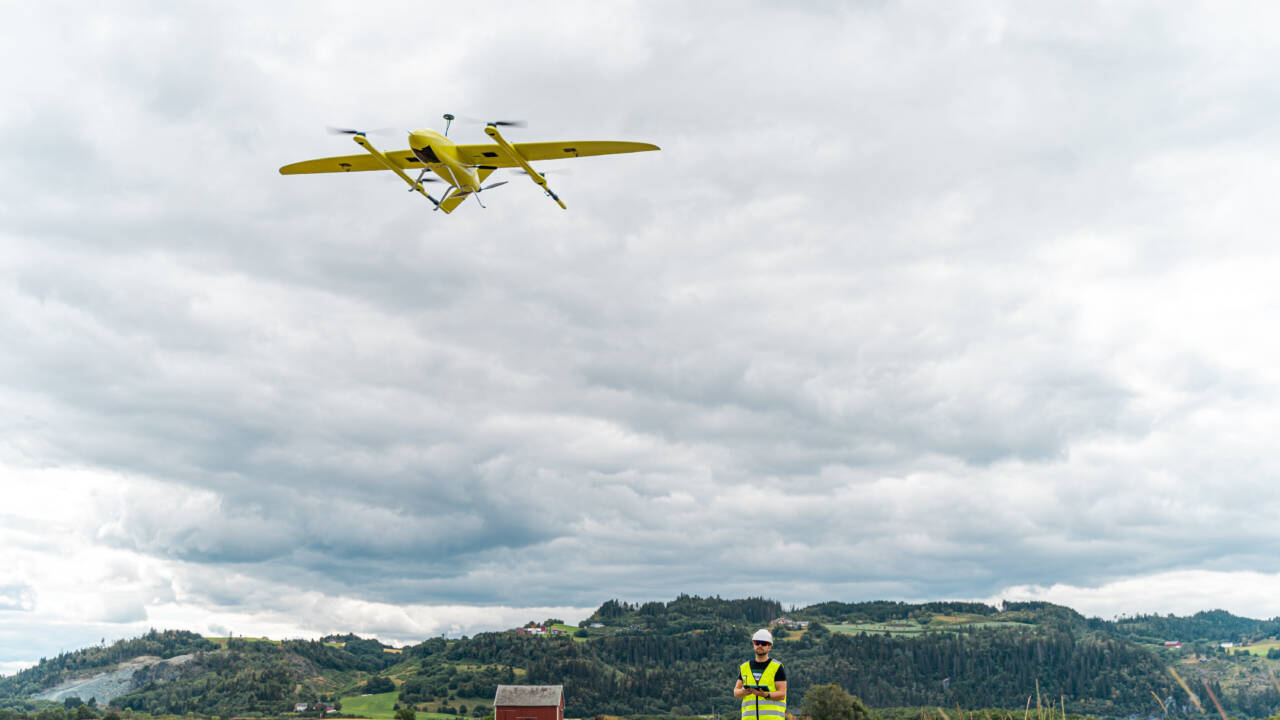
Future traffic in the Baltic Sea and urban airspace
Safe navigation in the waters and air of the Baltic Sea region is increasingly dependent on up-to-date information, functioning backup systems, and foresight. In projects under the Interreg Baltic Sea Region programme, Finnish operators have developed solutions that improve navigation and preparedness for disruptions, and help cities to prepare for the proliferation of drones.
This page was last updated: 9.3.2026