
The Helsinki-Uusimaa Regional Programme sets the direction for the region’s development over the coming years. The programme is called Helsinki-Uusimaa, a Region of Solutions – Pioneer in Finland, Forerunner in Europe.
The programme, covering the period 2026–2029, defines key development objectives and outlines a long-term vision for 2050: ‘The happiest, most innovative and environmentally smartest region in Europe.’ The programme’s three strategic priorities and their objectives support this vision.
Innovative Helsinki-Uusimaa
The Helsinki-Uusimaa Region is one of the most innovative regions in Europe and the most dynamic region in Finland.
Innovative Helsinki-Uusimaa
Environmentally Smart Helsinki-Uusimaa
Helsinki-Uusimaa is aiming at climate neutrality by the year of 2030, in line with the forerunner municipalities of the region. The Helsinki-Uusimaa Regional Climate Roadmap is the guideline for the climate work.
Environmentally Smart Helsinki-Uusimaa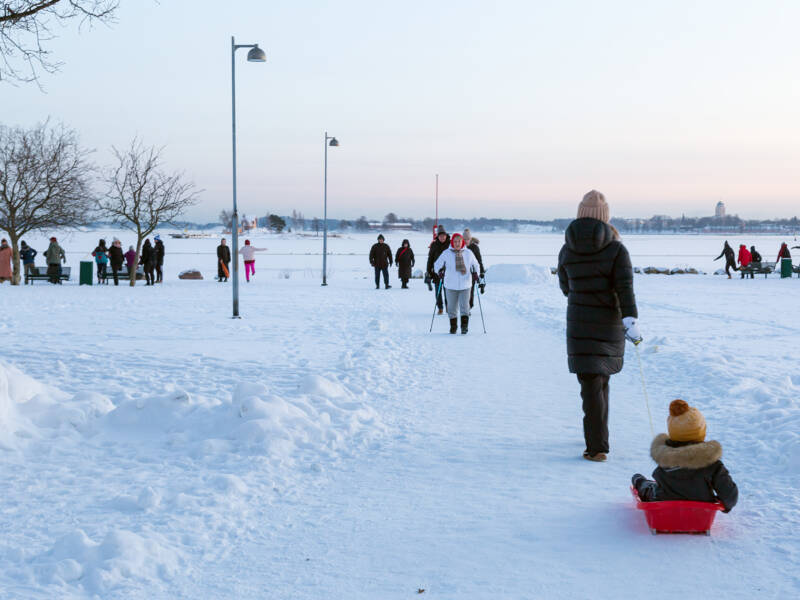
Happy Helsinki-Uusimaa
Helsinki-Uusimaa aims to be the happiest region in Europe by 2050. This goal is set out in the Regional Programme, which also seeks to increase the employment rate to 80% by 2030.
Happy Helsinki-Uusimaa

Helsinki-Uusimaa Regional Programme
The Helsinki-Uusimaa Regional Programme sets the direction for the region’s development over the coming years. The programme, covering the period 2026–2029, defines key development objectives and outlines a long-term vision for 2050.
Read more about Regional ProgrammeCurrent
 Cases
18.11.2026
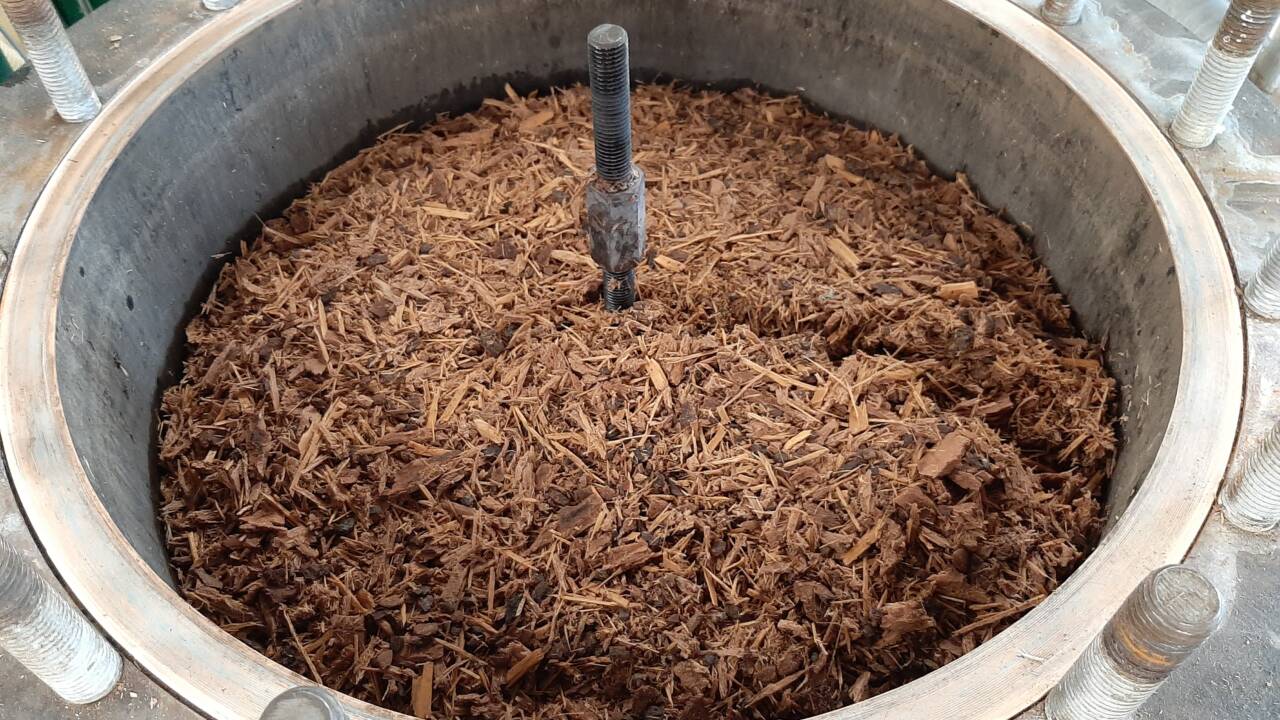
Circular economy projects explore change and new approaches
In many Interreg Baltic Sea Region projects, circular economy is part of both the starting points and the results. BALTIPLAST, Climate-4-Cast, CEforestry and We make transition! projects have produced concrete results and tools, such as plastic waste management and joint activities between residents and decision-makers.
 Cases
4.11.2026
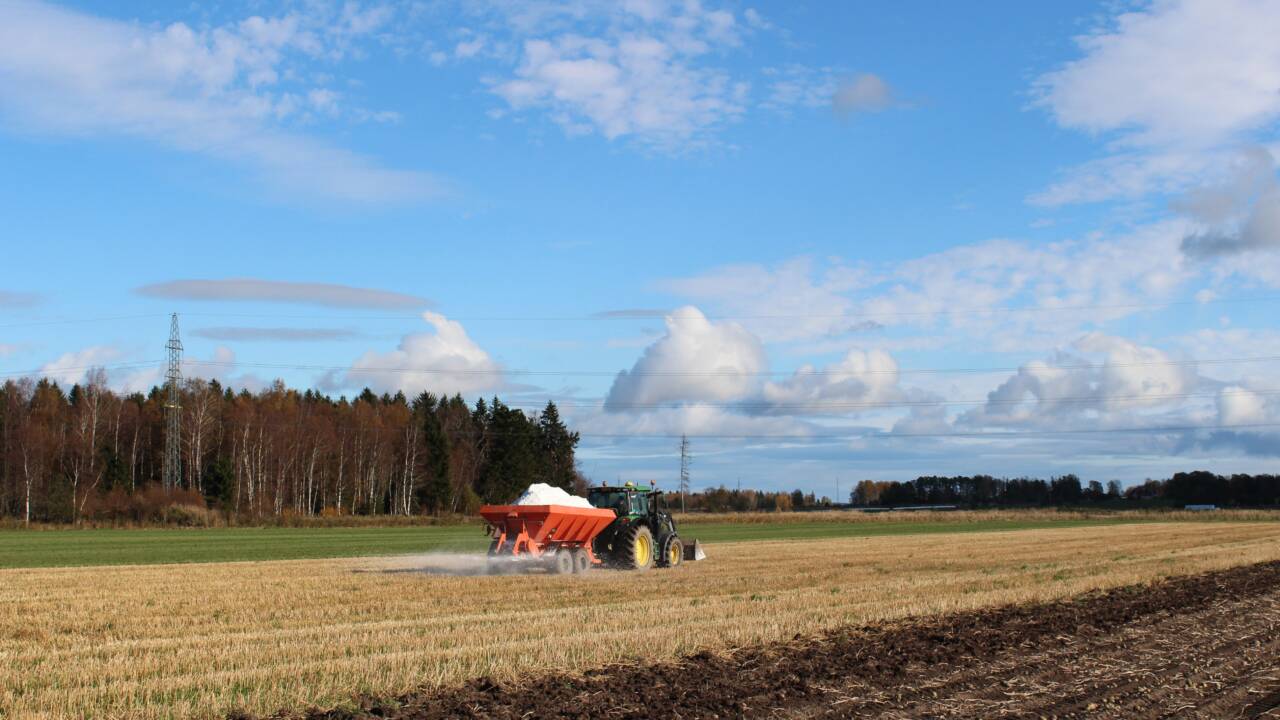
A more efficient nutrient cycle and clean potato stocks – Interreg projects boost Finland’s food security
Domestic food production is a pillar of Finland's security of supply. However, the sector is challenged not only by geopolitical crises but by climate change and the need to reduce production emissions. The Interreg projects have responded to these challenges through international cooperation. Some of the project's focuses have been on promoting the use of recycled nutrients and reducing the nutrient load ending up in waterways.