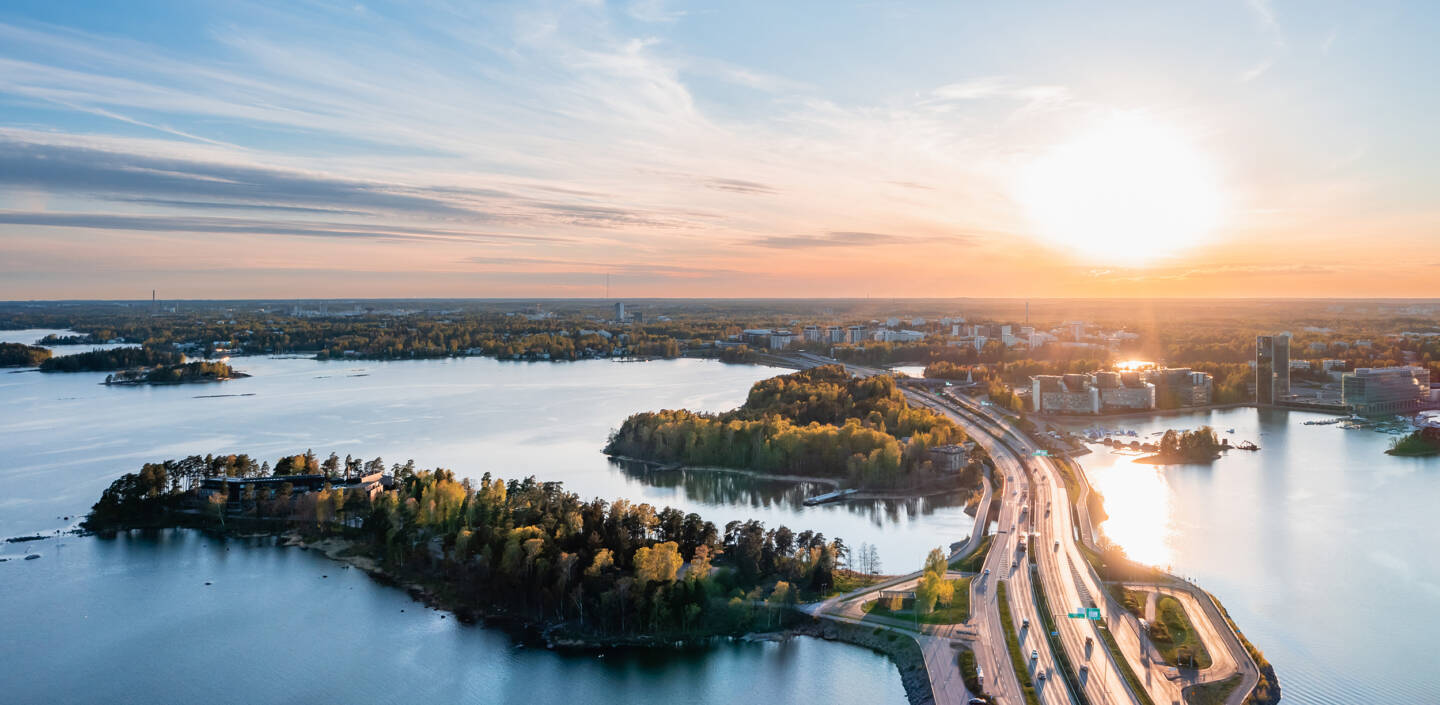
The Helsinki-Uusimaa Region’s Logo
The logo emblem is from the graphic designer Petteri Lehtinen and in use since 2013. Both a vertical and horizontal version of the logo have been made. The texts, colours or shape of the logo may not be altered in any way. The dimensions should always be kept as originals.


The historical, regional coat of arms used by Helsinki-Uusimaa today
The Helsinki-Uusimaa Coat of Arms has two wave-shaped silvery stripes on a blue bottom and between them is a golden boat with a rudder.
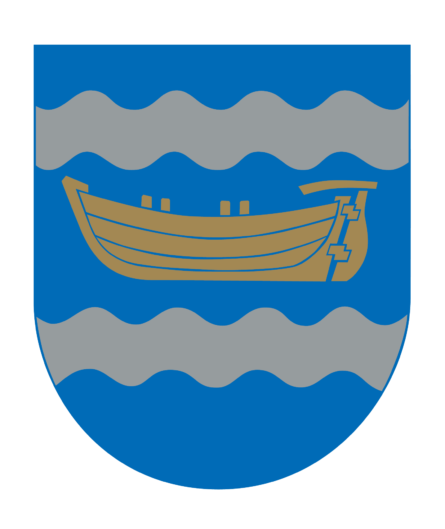
It originates back to the 16th century, and the first photo of it is from 1599. A boat is an old traditional symbol for coastal regions. Two silvery currents are probably referring to the regional rivers that used to be important routes to the inland.
The use of the Helsinki-Uusimaa Coat of Arms
An association or community can use the coat of arms in printed matters or similar by informing the Helsinki-Uusimaa Regional Council. This coat of arms is also used in some international contacts. A permission is needed for commercial purposes. The golden boat can be replaced with yellow and the silvery stripes with white. The coat of arms should always be used in its original shape.
Photos
The photo directory includes photos for the use of media. These photos can be used freely for journalistic purposes. They cannot be used for commercial purposes or in misleading circumstances. We kindly ask you to mention Helsinki-Uusimaa Regional Council as the source.
For more information, please contact:

Anni Levonen
Graphic Designer
anni.levonen@uudenmaanliitto.fi
Graphic design, visual identity of Council
Current
 News
News
8.10.2026
Over billion euros in Horizon Europe funding secured for Helsinki-Uusimaa
Organisations in the Helsinki-Uusimaa region have so far received around 1.07 billion euros from the European Union's Horizon Europe programme for research, development and innovation (RDI) activities. This is more than 60 per cent of all the funding Finland has received during the EU's current programme period of 2021–2027.
 Cases
Cases
7.10.2026
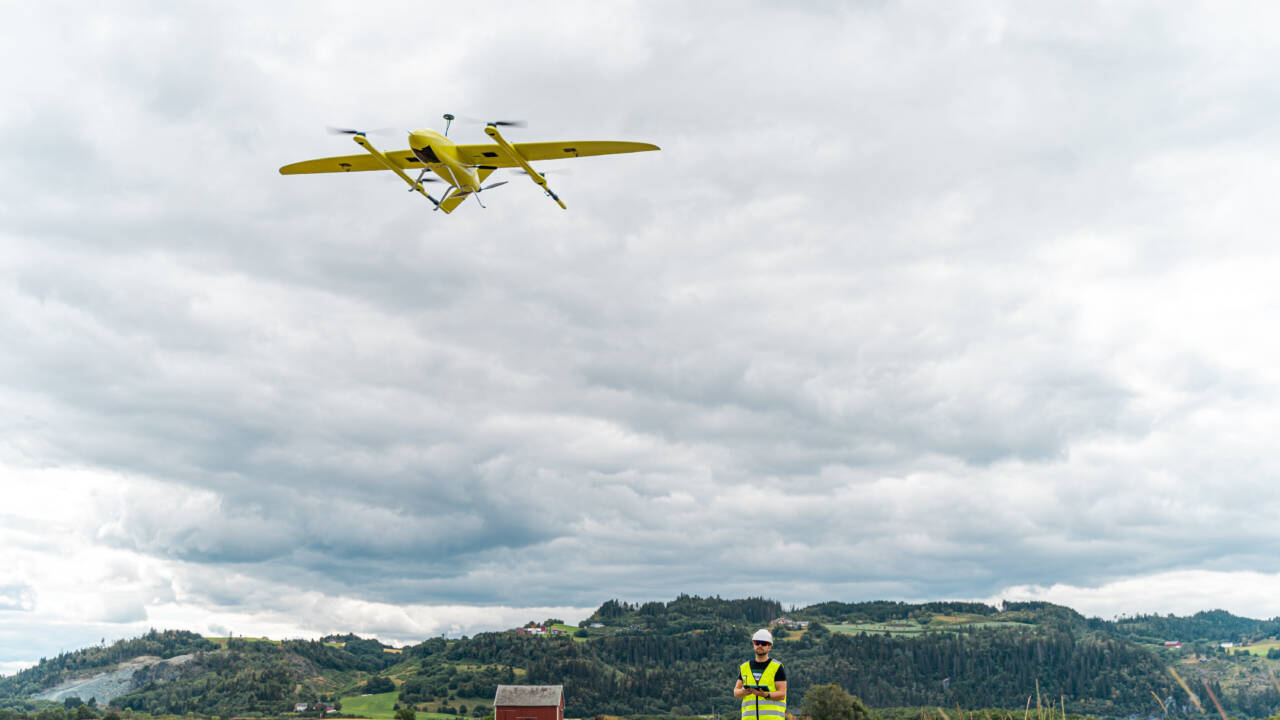
Future traffic in the Baltic Sea and urban airspace
Safe navigation in the waters and air of the Baltic Sea region is increasingly dependent on up-to-date information, functioning backup systems, and foresight. In projects under the Interreg Baltic Sea Region programme, Finnish operators have developed solutions that improve navigation and preparedness for disruptions, and help cities to prepare for the proliferation of drones.
This page was last updated: 16.1.2026