Number of foreign-language speakers in Helsinki-Uusimaa Region could double by 2045
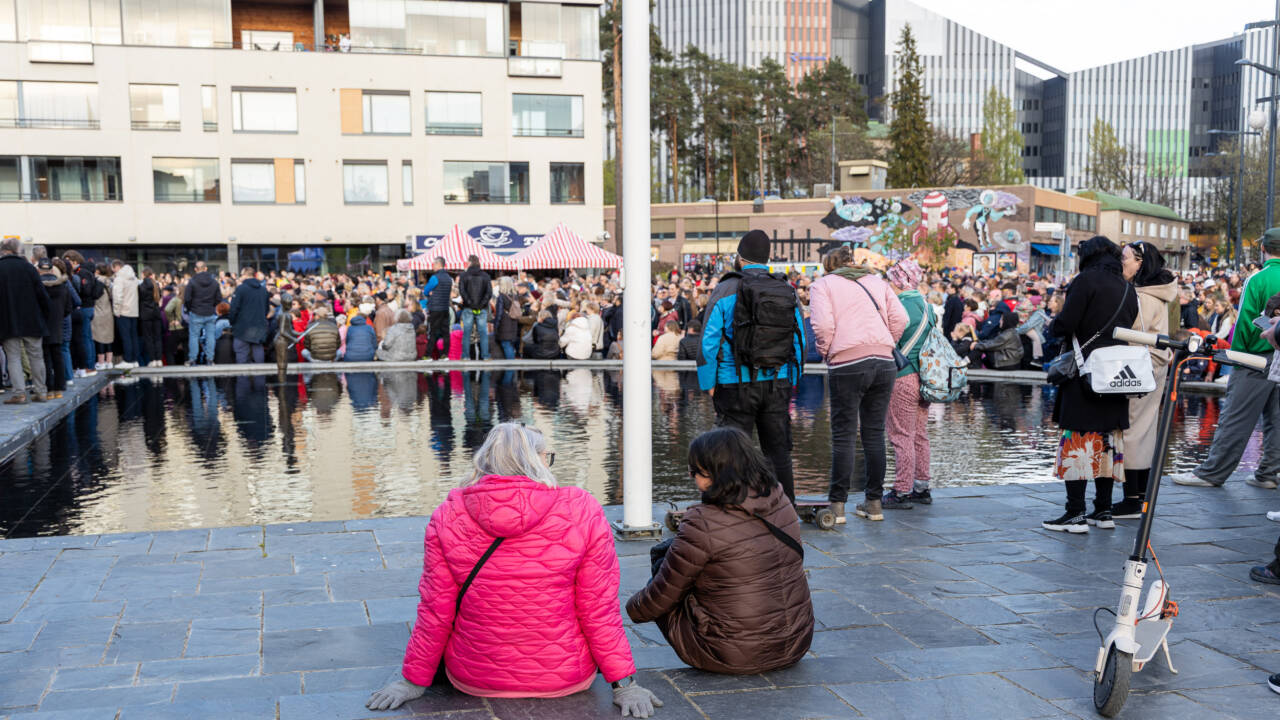
It is estimated that the number of foreign-language speakers living in the Helsinki-Uusimaa Region will rise from around 339,500 to around 674,000 by 2045. Growth continues to be heavily concentrated in the large cities of the Helsinki metropolitan area.
The figures are taken from the new projection for 2025–2045 for the foreign-language-speaking population in the Helsinki-Uusimaa Region. The projection has been drawn up in collaboration with population experts from the cities in the Helsinki metropolitan area and the Helsinki-Uusimaa Regional Council.
At the end of 2024, 56 per cent of Finns with a foreign mother tongue lived in the Helsinki-Uusimaa Region. Around 19 per cent of the population of the Helsinki-Uusimaa Region spoke a foreign mother tongue, and this figure is anticipated to rise to around 25 per cent by 2035.
Growth concentrated in the Helsinki metropolitan area
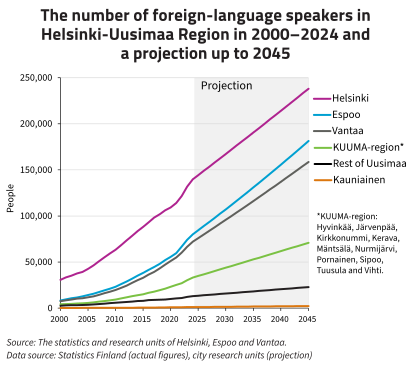
It is estimated that the number of foreign-language speakers in the Helsinki-Uusimaa Region will grow by around 15,000 per year between 2025 and 2029, and by around 16,000 per year after that. Most of this growth is concentrated in the Helsinki metropolitan area, in whose major cities around 86 per cent of the entire foreign-language-speaking population of the Helsinki-Uusimaa Region was living in 2024.
It is estimated that in 2035, the number of foreign-language speakers will be around 191,000 in Helsinki, 131,000 in Espoo and 116,000 in Vantaa. By 2045, the figures are projected to rise further to around 238,000 in Helsinki, 181,000 in Espoo and 158,000 in Vantaa. According to the projection, approximately 24% of those with a foreign mother tongue in the Helsinki metropolitan area would be Finnish born in 2045, compared to 18% in 2024.
The growth in the foreign-language-speaking population is fastest in Espoo and Vantaa. As recently as 2020, Helsinki had more residents who spoke a foreign mother tongue than Espoo and Vantaa combined. According to the projection, the combined foreign-language-speaking population of Espoo and Vantaa would already surpass that of Helsinki by almost a third by 2035.
Growth in foreign-language population across all age groups
The number of people speaking a foreign mother tongue is expected to increase across all age groups. The strongest growth, in relative terms, is among the working-age population and the elderly.
The number of foreign-language speakers of working age is projected to almost double by 2045. At the same time, the number of pensioners who speak a foreign mother tongue could increase almost fivefold.
However, the age structure of the foreign-language-speaking population remains younger than that of the population as a whole. It is estimated that in 2045, people aged 65 and over will account for just over 10 per cent of the foreign-language-speaking population, whilst the corresponding proportion in the population of the whole of the Helsinki-Uusimaa Region will be more than double that, according to Statistics Finland’s population projection.
Languages of Asia, the Middle East and North Africa and the former Soviet Union to remain largest language groups
In 2045, the largest foreign language groups across the whole of the Helsinki-Uusimaa Region are predicted to consist of residents who speak languages from Asia (excluding the Middle East), the Middle East and North Africa, as well as Russian and other languages of the former Soviet Union.
According to the projection, the largest language groups in Espoo and Vantaa are the same as those throughout the Helsinki-Uusimaa Region. In Helsinki, on the other hand, the number of residents speaking languages from the Middle East and North Africa, other parts of Asia and Western Europe is growing particularly rapidly.
In the outer municipalities of the Helsinki region and elsewhere in the Helsinki-Uusimaa Region, the largest language group continues to be residents who speak Russian and other languages of the former Soviet Union.
Uncertainties inherent in the projection
The most significant source of uncertainty in the projection is migration. International migration is influenced by factors such as immigration policy, the international security situation and developments in the labour market, as well as economic conditions in Finland and around the world.
The projection outlines a possible future trajectory based on current data and assumptions, but significant changes in migration patterns may have a major impact on future population trends.
Projection covers six sub-regions and eight language groups
The projection outlines population trends for the 2025–2045 period across six parts of the Helsinki-Uusimaa Region: Helsinki, Espoo, Vantaa, Kauniainen, the outer municipalities of the Helsinki region, and the rest of the Helsinki-Uusimaa Region.
The projection is based on a demographic method in which future population trends are estimated using assumptions regarding birth rates, mortality rates and migration. The publication presents the results for eight language groups and describes the method and its key assumptions in detail.
Read the publication (in Finnish):
For more information, please contact:

Johannes Herala
Senior Adviser
johannes.herala@uudenmaanliitto.fi
Regional development of Helsinki-Uusimaa, municipal and regional economy, operational environment analyses, stand-alone reports
Take also a look at these
 Cases
Cases
7.10.2026
Future traffic in the Baltic Sea and urban airspace
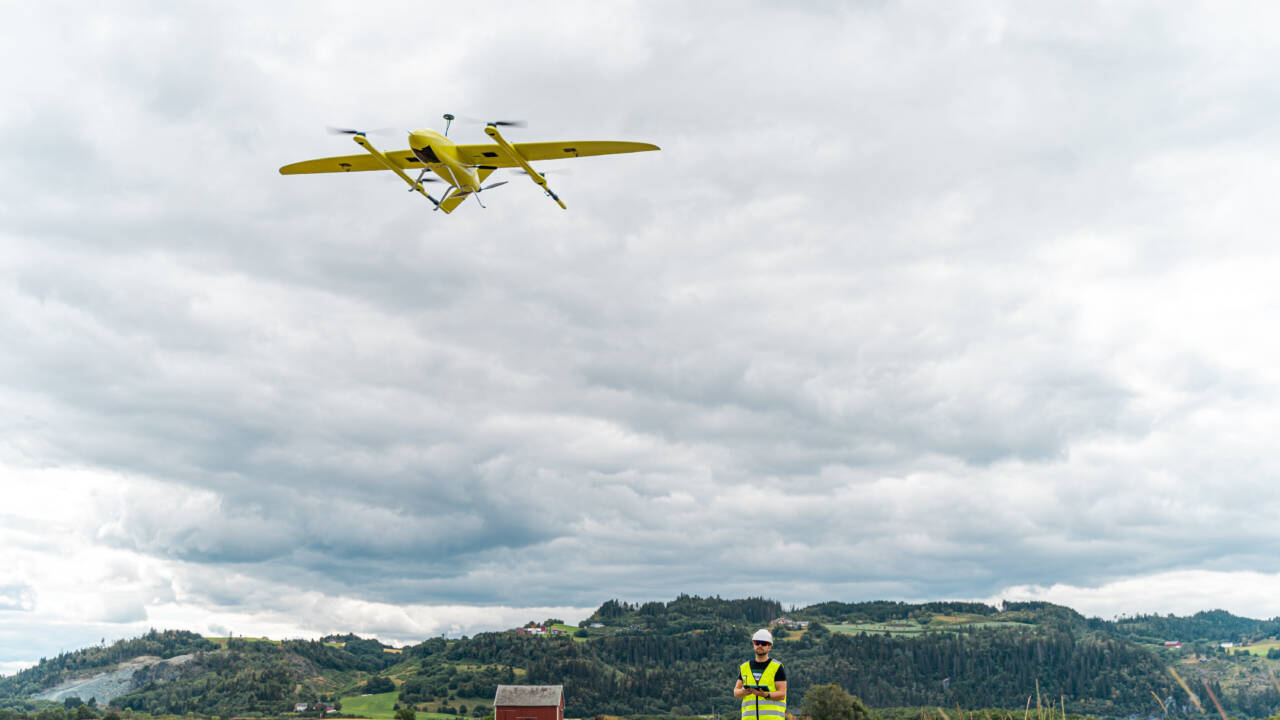
Safe navigation in the waters and air of the Baltic Sea region is increasingly dependent on up-to-date information, functioning backup systems, and foresight. In projects under the Interreg Baltic Sea Region programme, Finnish operators have developed solutions that improve navigation and preparedness for disruptions, and help cities to prepare for the proliferation of drones.
 News
News
24.4.2026
Interregional Exchange Meeting on Strategic Foresight was Held in Helsinki-Uusimaa
Partners of the Strategic Foresight Partnership (SFP) project gathered in Helsinki on 4–5 March for an interregional seminar dedicated to foresight practices. The seminar aimed to showcase the diversity of foresight approaches across the Helsinki region and to facilitate exchanges between practitioners.