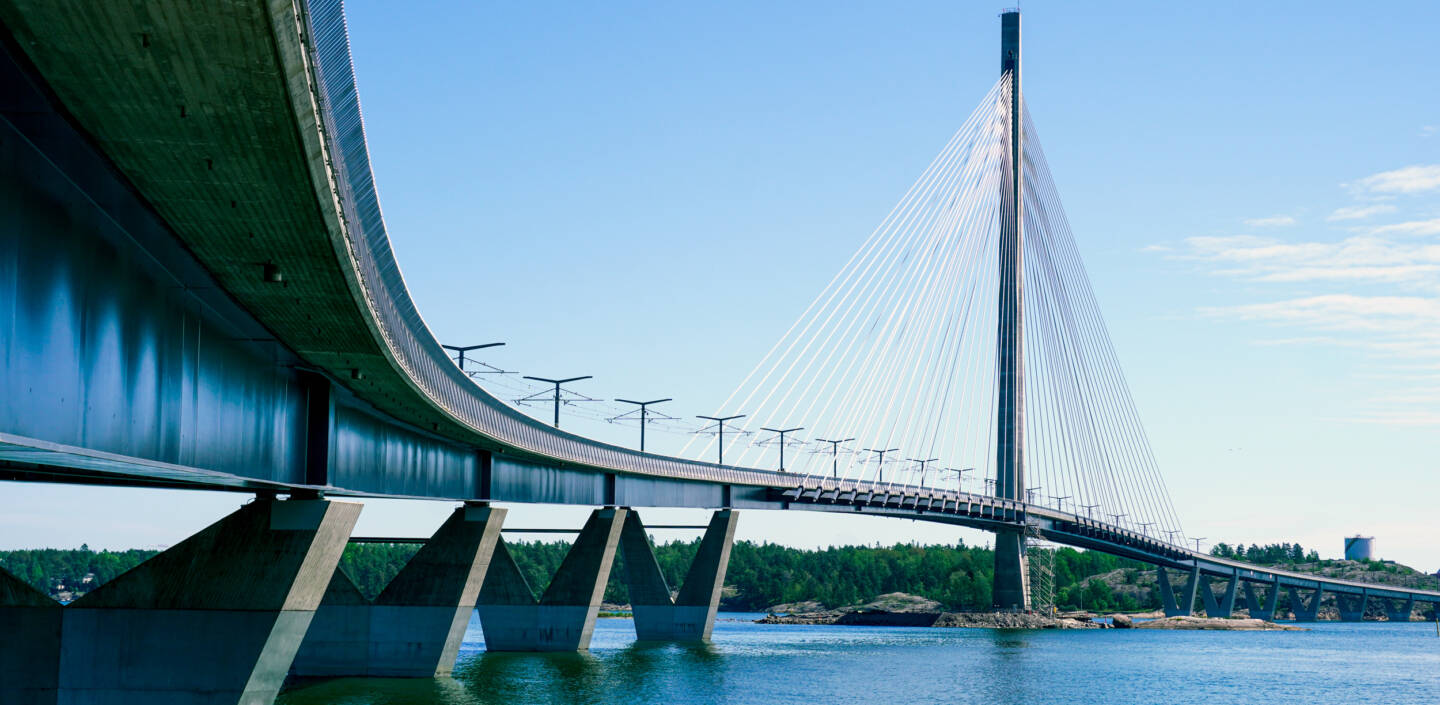
TRACER-X (Transport Carbon Emission Reduction – Cross-border Exchange) is an international project seeking innovative solutions to reduce carbon dioxide emissions from transport.
Over the three-year project, the partners will develop diverse mobility hubs and related services for urban centres of different sizes. The aim is to make multimodal travel chains smoother and improve the efficiency of the first and last mile of journeys.
The project brings together cities and regions from across the Baltic Sea region. Forum Virium Helsinki is the lead partner, while the Helsinki-Uusimaa Regional Council is one of the project partners. Other partners include the City of Tallinn, the Harju County Government, the City of Riga, the City of Stockholm and KTH Royal Institute of Technology.
TRACER-X supports Uusimaa’s goal of becoming a carbon-neutral region by 2030. The project focuses on the transport sector, where achieving emission reduction targets has proven particularly challenging.
The project is funded by the Central Baltic Interreg Programme and will run from 1 July 2026 to 30 June 2029. The total project budget is approximately €3.2 million.
Current
 Cases
18.11.2026
Circular economy projects explore change and new approaches
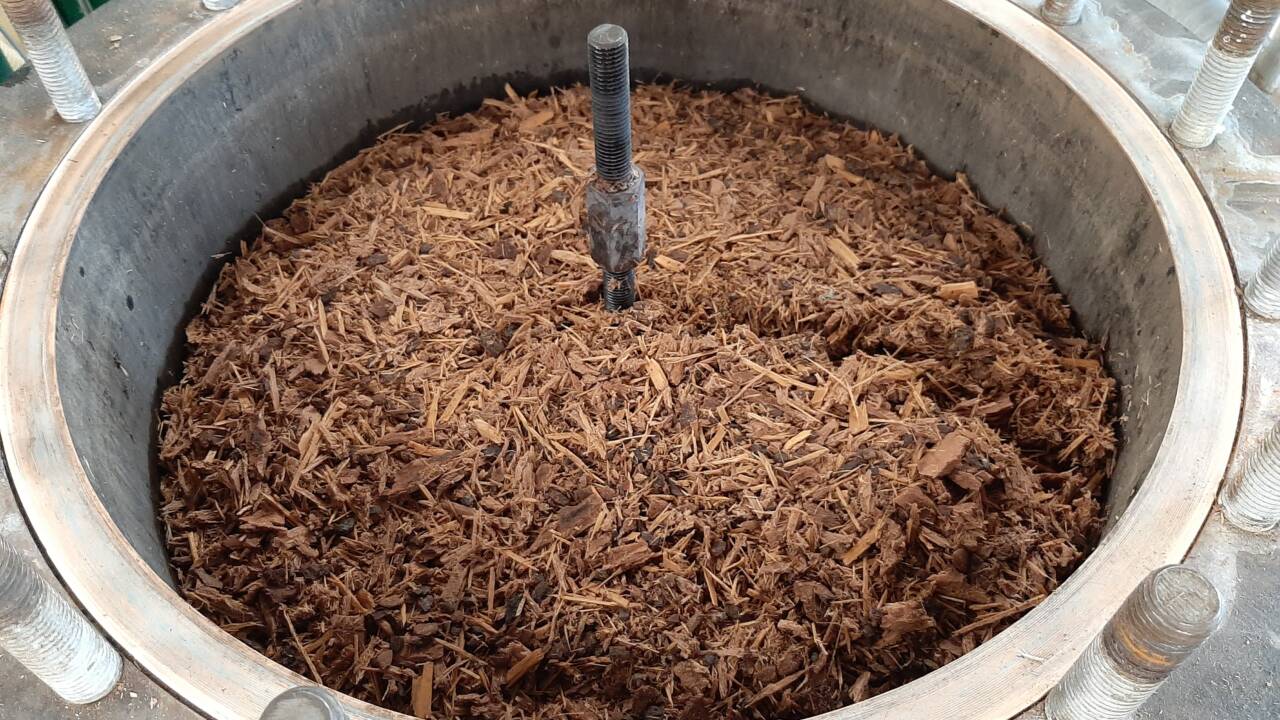
In many Interreg Baltic Sea Region projects, circular economy is part of both the starting points and the results. BALTIPLAST, Climate-4-Cast, CEforestry and We make transition! projects have produced concrete results and tools, such as plastic waste management and joint activities between residents and decision-makers.
 Cases
4.11.2026
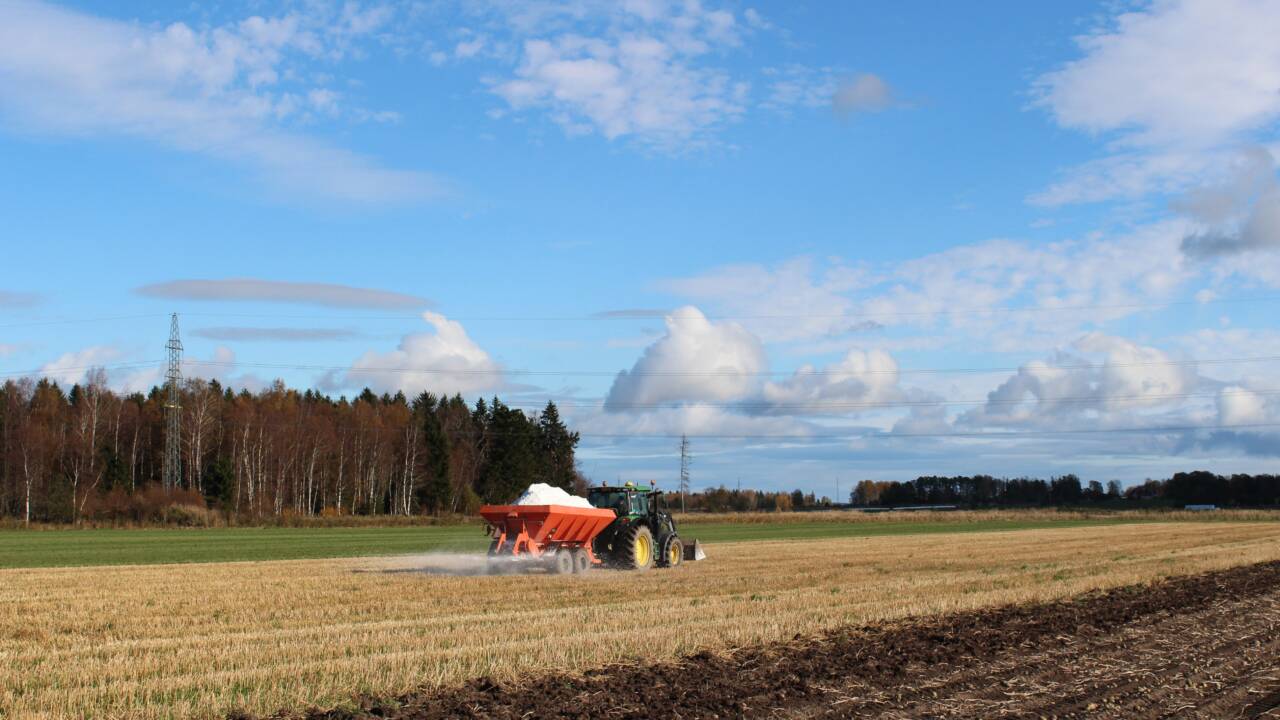
A more efficient nutrient cycle and clean potato stocks – Interreg projects boost Finland’s food security
Domestic food production is a pillar of Finland's security of supply. However, the sector is challenged not only by geopolitical crises but by climate change and the need to reduce production emissions. The Interreg projects have responded to these challenges through international cooperation. Some of the project's focuses have been on promoting the use of recycled nutrients and reducing the nutrient load ending up in waterways.