Circular economy projects explore change and new approaches
In many Interreg Baltic Sea Region projects, circular economy is part of both the starting points and the results. BALTIPLAST, Climate-4-Cast, CEforestry and We make transition! projects have produced concrete results and tools, such as plastic waste management and joint activities between residents and decision-makers. Models for utilising forest biomass, on the other hand, have applications in the value chains of SMEs and industry.
The Interreg Baltic Sea Region projects show that understanding the importance of the circular economy is a strategic choice that strengthens both the economic competitiveness of the region and the well-being of residents at the grassroots level.
Municipalities, residents, and civic actors as agents of the sustainability transition
The We make transition! project represents the Interreg project that focuses on the multifaceted, sustainable lifestyle, and involving small local actors in particular, presenting the sustainability transition as part of everyday life. The Finnish pilot experiments on inspiring an ecologically and socially sustainable way of life and making it part of the residents’ living environment, developing the self-sufficiency of archipelago residents, supporting local production, and promoting biodiversity in the urban environment.
– The project’s transition arena pilot experiments emphasised the perspective of local change. We focused on finding things that were actionable for the residents and where effective cooperation between the municipality and civic actors can be built, says Henna Salminen, Project Coordinator for Southwest Finland.
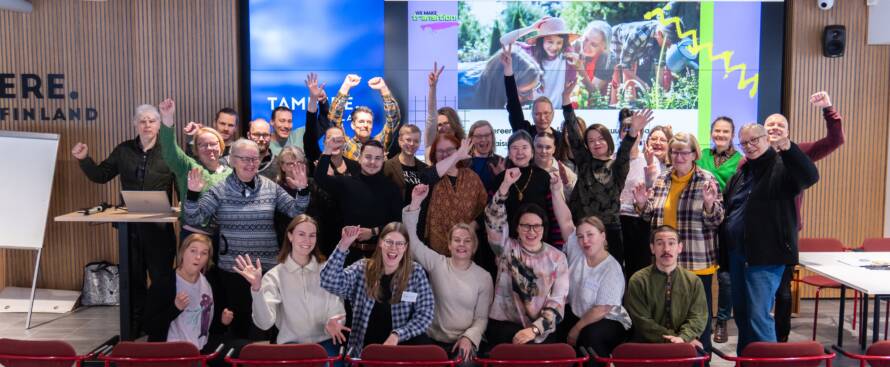
Johanna Leino, the project’s Head Coordinator, was responsible for the Pirkanmaa pilot experiments together with The Council of Tampere Region. According to her, it was essential to the implementation to invite decision-makers, authorities, communities, organisations, and businesses to the same table and to the same level of decision-making. For example, in Tampere, the empty space of the Sustainable Living Cultural Centre experiment was made available to local actors and residents from different backgrounds without any prescribed framework from the city.
– The Centre hosted participatory events, workshops, and community garden activities among other things. The city provided the premises and signed service agreements with local operators. This cooperation model was found to be excellent and will continue after the project, says Leino.
In Finland, the participatory transition arena method was implemented not only in Tampere, but also in the Uusimaa region, Hämeenkyrö, Uusikaupunki, and Kemiönsaari. Project Manager Miranda Sundholm says that an impact assessment operating model was developed in the transition workshops in the Uusimaa region, and at the same time, an impact assessment was prepared for two organisations. The project’s tools, such as the transition arena workshops, a guide for implementing the method easily, and the concept of sustainable living in the Baltic Sea region, have been made freely available to municipalities, residents, and associations.
Tools for reducing the plastic footprint
The BALTIPLAST project will equip local authorities with concrete tools to reduce plastic waste in different urban operations. The project has developed a step-by-step model for creating city-level plastic strategies and has offered practical solutions ranging from office waste management to waste container systems for large-scale events.
– It has been of great importance for cities to identify where plastic is actually being consumed. For example, we noticed that a significant part of plastic waste generated in offices was the result of changing half-empty bin bags, says Mariia Andreeva from the Sustainable Cities Commission of the Union of the Baltic Cities (UBC) network.
Among Finnish cities, Helsinki has pioneered the project by developing a comprehensive action plan for waste management and a roadmap for the sustainable use of plastics. The project’s results show that the transition from single-use plastic to reusable systems not only reduces emissions, but also protects residents from the chemicals in plastic.
Björn Grönholm, Development Director of the City of Turku, says that the city got involved in the project because of the development needs identified in its climate plan and resource management practices. During the project, the city was trained in the solutions offered by the project and EduKit materials. The water treatment plant has also participated in the activities and has researched the project’s goals and results.
– The information and peer learning gained through the project have saved time, resources, and costs, as it wasn’t necessary to develop everything ourselves from nothing, Grönholm says.
Predictability for climate change impacts
The Climate-4-CAST project makes climate budgeting part of the economic planning of cities. The support tool for decision-making developed in the project helps cities to calculate the effectiveness, costs, and benefits of various climate actions.
– Climate budgeting is not a straightforward process, but each city creates its own method for it. We have created a space for peer learning in the Baltic Sea region, where cities can share their experiences on approaches, data management, and the benefits of implementing climate budgets, Andreeva says.
Turku and Helsinki have played a central role in the project as example cities, and the experiences gained in Turku have been utilised in an extensive training package. Training organised between 2025 and 2026 has already reached more than 50 local governments in the Baltic Sea region. International cooperation enabled by Interreg funding ensures that the developed tools are transferable to cities of various sizes regardless of their resource levels while making the climate goals more achievable.
Grönholm says that the city benefits from the project in two distinct ways: Turku shares its experiences, operating models and solutions, whilst, at the same time, the city gets to learn from various operators, such as the other cities taking part in the project. A fruitful cooperation has been established with Tampere, for example.
– Turku has planned and organised various trainings and workshops as part of this project. The project has strengthened cooperation and peer learning between Finnish cities, says Grönholm.
From spruce bark to profitable business
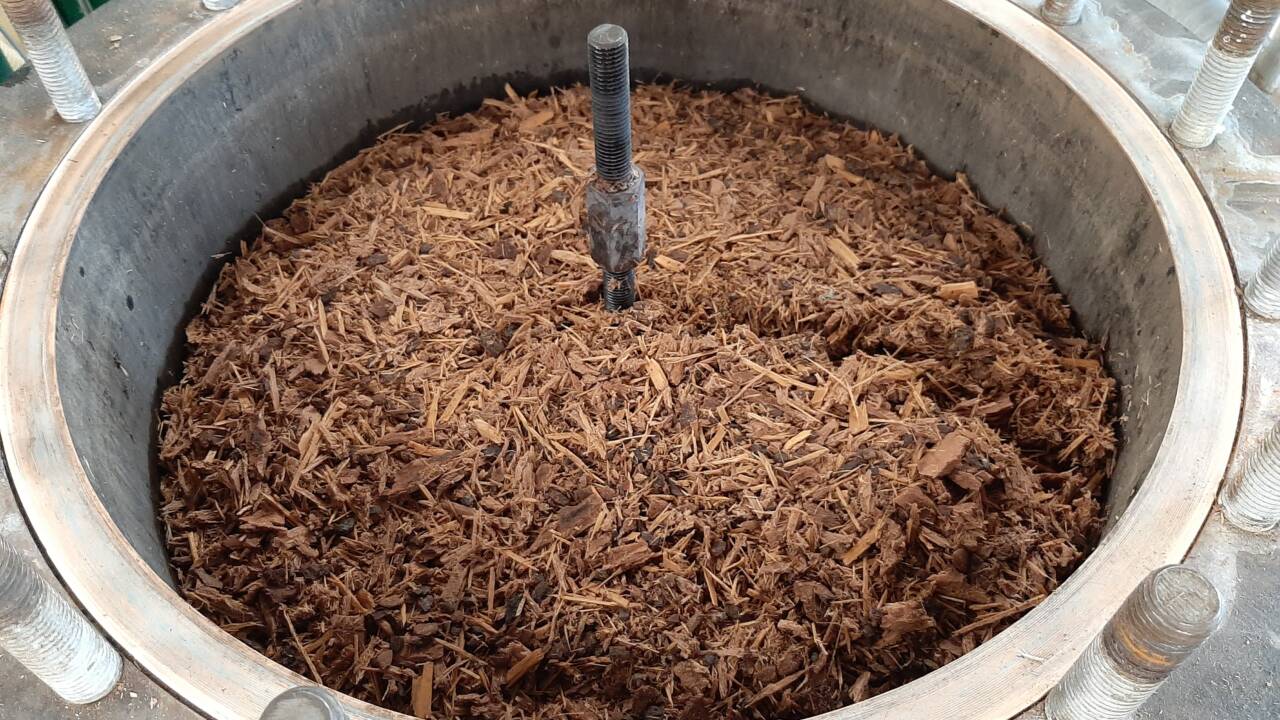
The CEforestry project explored business and process know-how methods to utilise the forest industry’s byproducts which are typically only used for energy production. Cooperation between Aalto University, Luke, Centria University of Applied Sciences, and the Finnish Forest Centre as well as project partners, resulted in the creation of models that can create added value locally as well as generate business without increasing forest usage. A forest is much more than just wood.
The project created applications such as utilising spruce bark and needles in the leather and cosmetics industry as well as in the treatment of wastewater. The project successfully tested tannins extracted from spruce bark in leather tanning on a pilot experiment scale.
– These are not small quantities, as the annual amount of three million tonnes of bark produced in Finland could replace up to 10% of global leather tanning, which is mainly done by using chromium. This could simultaneously lead to a significant reduction in the environmental and health hazards related to leather manufacturing, says Professor Pekka Oinas from Aalto University to highlight the possibilities of the applications.
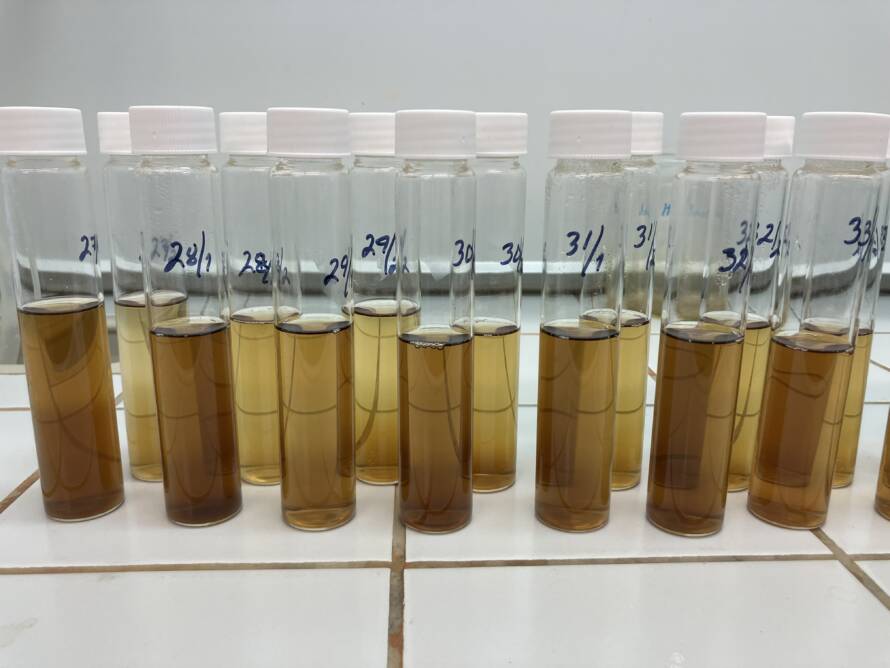
D.Sc. Leena Favén, Centria’s RDI coordinator, emphasises that the versatile utilisation of byproducts is a part of the modern circular economy and economically viable, especially if production is brought to an industrial scale. The project results show this to be a viable strategy. In Sweden, the first investment project related to the production of tannins is underway. Decisions are still pending in Finland, however.
– Upgrading the degree of processing supports both local and regional expertise and businesses, as forest owners, logging professionals, the forest industry, technology and equipment suppliers, as well as downstream processors and utilisers who convert biomass into high-value products, cooperate in the value chain,” says D.Sc. Risto Korpinen, Senior Researcher at LUKE.
Creating impact through projects
The Interreg Baltic Sea Region 2021–2027 Programme is a transnational cooperation programme covering countries across the Baltic Sea region. While the programme area includes several major European metropolitan regions, the majority of the territory is rural.
The programme aims to support the green transition and strengthen resilience across the Baltic Sea region, while improving the quality of life of its residents.
The Helsinki-Uusimaa Regional Council is responsible for national communication for the Baltic Sea Region Programme. In addition, we grant and pay national co-financing to Finnish partners in projects funded under the programme during the 2021–2027 programming period and act as the programme’s supervisory authority.
This article is part of a five-part series exploring the results and impacts of Interreg Baltic Sea Region projects. The article was written by Johanna Pelto-Timperi and Tilda Karus (OSG).
Take also a look at these
 Cases
4.11.2026
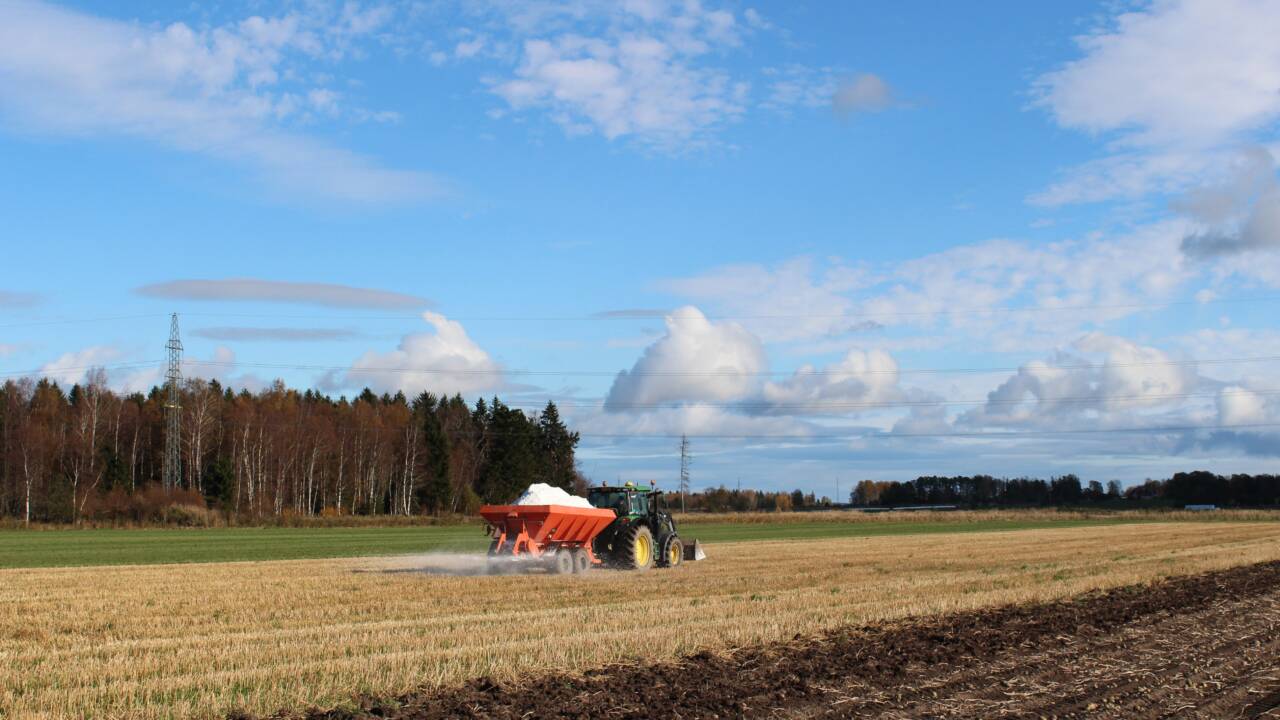
A more efficient nutrient cycle and clean potato stocks – Interreg projects boost Finland’s food security
Domestic food production is a pillar of Finland's security of supply. However, the sector is challenged not only by geopolitical crises but by climate change and the need to reduce production emissions. The Interreg projects have responded to these challenges through international cooperation. Some of the project's focuses have been on promoting the use of recycled nutrients and reducing the nutrient load ending up in waterways.
 News
26.10.2026
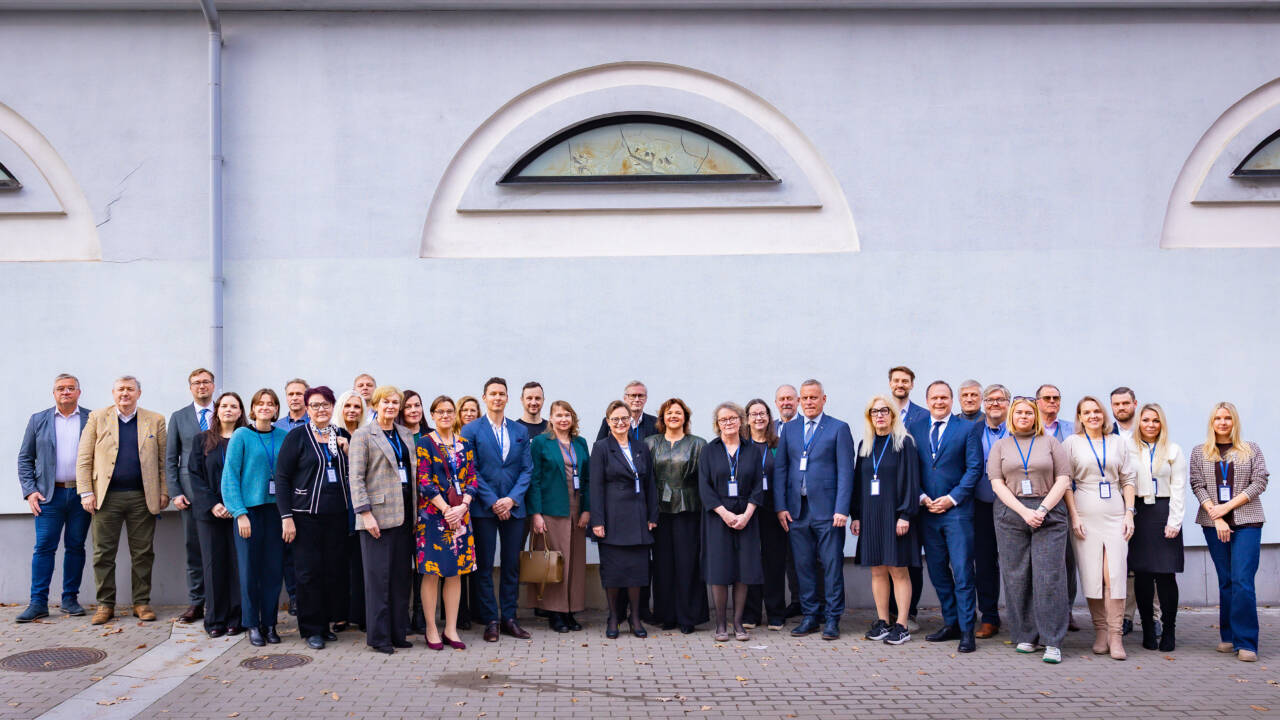
TwinReg strengthens cooperation between Helsinki-Uusimaa and Harju County
Through the TwinReg project, the Helsinki-Uusimaa Region and the Union of Harju County Municipalities have strengthened joint regional planning and explored solutions to everyday cross-border challenges. The project’s final seminar in Tallinn on 22 October brought together policymakers, regional development professionals, researchers, businesses and experts to discuss its findings and the future of cooperation.
 Cases
23.10.2026
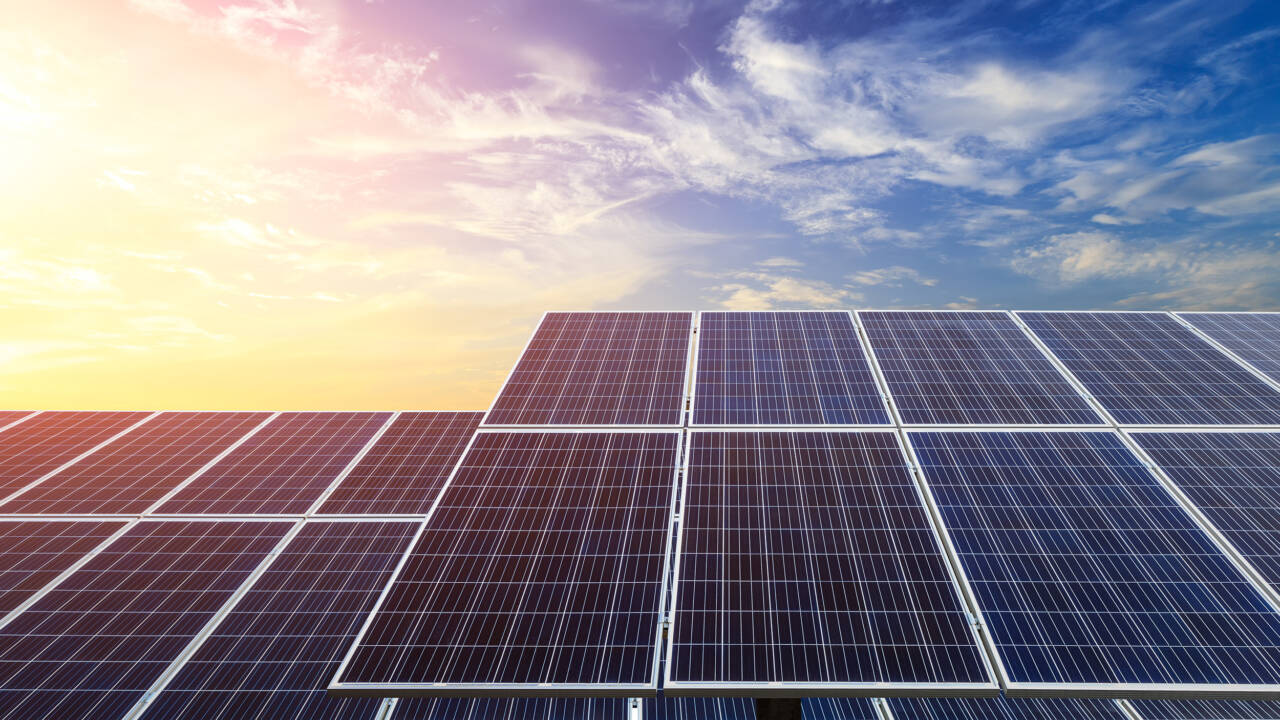
Solar energy for housing companies and hydrogen as fuel – Interreg projects deliver future energy solutions
The Interreg Baltic Sea Region projects tackle cross-cutting future challenges and increase cooperation between EU regions. Finland has been involved in projects whose road maps have been created to increase the use of hydrogen fuel in lorry traffic and at airports. There have also been studies on the establishment of solar energy communities.
 News
8.10.2026
Over billion euros in Horizon Europe funding secured for Helsinki-Uusimaa
Organisations in the Helsinki-Uusimaa region have so far received around 1.07 billion euros from the European Union's Horizon Europe programme for research, development and innovation (RDI) activities. This is more than 60 per cent of all the funding Finland has received during the EU's current programme period of 2021–2027.