Farmers in Helsinki-Uusimaa increase yield and reduce emissions

Finland aims for climate neutrality by 2035. The agricultural sector can have an important part in reaching the target.
Soil stores a large amount of carbon, and the carbon stocks in cultivated soil can be enhanced by specific plants and farming practices. Increasing carbon storages is a part of regenerative agriculture, which also helps to improve and preserve biodiversity, and to reduce nutrient runoffs to water bodies.
New methods to improve soil health and carbon stocks are being researched in all of Europe, including the Helsinki-Uusimaa Region. Two experts from the Baltic Sea Action Group (BSAG)(You are transferring to another service), project managers Elisa Vainio and Anne Antman, describe the situation in Helsinki-Uusimaa.
BSAG is a non-profit organisation doing impactful work to save the Baltic Sea. The organisation safeguards the Baltic Sea and tackles climate change and biodiversity loss in broad collaboration, for example with farmers.
Let’s start with a recount of the Adaptive Carbon Farming (HITTI) project.(You are transferring to another service) The three-year project launched this spring, and within it, farmers in Helsinki-Uusimaa search for means to sustain the vegetative cover on fields as long as possible.
Since plants take up and store carbon from the atmosphere, cultivated land can only act as a carbon sink when it’s covered by vegetation.
– If we grow autumn plants after the harvest, we can increase the number of weeks when the fields are green. Another option is using grass seeds as undersow when planting crops in the spring. Grass can keep growing for a long time after the harvest, Antman says.

In other words, the farmers who participate in the project seek to minimise the time frame during which the fields are bare.
As the wording “Adaptive” in the project name suggests, the carbon farming methods are adapted to suit each farmer and each field. The farmers make use of new measurement technologies and adapt their farming to prevailing weather conditions, for example.
One important aspect of this project – and all other activities within BSAG – is peer learning. Participants form groups where they can discuss and support each other, Vainio says.
– If someone is uncertain about a particular issue, someone else might already have solved a similar situation!
A personalised plan for each
In another regional project, improved soil health is being sought through observation, measurement, and planning. The Carbon Action Markvård project targets Swedish-speaking farmers in the region. The idea is to formulate a new operational model that farmers could utilise to detect and improve the soil.
First, a water analysis is made on the pilot farms. Soil composition and its differences within the same field is examined. When the analysis is completed, a plan is made to improve the health of the soil.

One common issue mentioned by Antman is a situation where the soil is so dense that plant roots cannot penetrate it, and therefore do not receive any water or nutrients. On top of it all, it results in fertilisers being wasted and possibly ending up in water bodies.
These exact types of situations lead farmers to seek new solutions for their farmlands.
Farmers enthusiastic to participate
Improving cultivated land comes with numerous benefits. Farmers seem to understand it well, or so one might deduce based on the popularity of BSAG’s projects! At best, there is and has been a total of twenty ongoing projects simultaneously.
Vainio and Antman say that it’s been easy to engage farmers, to the extent that they have not been able to admit all who are willing. They highlight that actions to improve soil health can be studied through other means as well. BSAG administers an e-learning course on regenerative farming, where participation is free of charge. The online courses present for example different methods to strengthen the reliability of harvests.
Additionally, the Carbon Action Club includes a variety of webinars and events, such as field days that are organised throughout Finland.

Both organic farms and regular farms participate in the pilots. Vainio says that some farmers want to participate simply because their harvest has been poor. Through the pilots, they hope to find new ways to improve soil health, resulting in higher harvest yields.
– Most farmers realise that waiting will not improve soil health. If soils are in bad condition, one needs to actively try new methods and see what works best for their farmland.
Antman says that one of the great advantages of regenerative farming is the decreased need for fertilisers. Especially after Russia’s attack on Ukraine, the price of fertilisers continues to rise significantly.
Since the soil is healthier, less heavy tillage is needed, reducing fuel costs. The climate and water systems also benefit from fewer emissions from agriculture.
Antman mentions how word of mouth is an important tool to spread knowledge. When a group of farmers try new farming methods, it sparks the curiosity of others!
Read more:
Take also a look at these
 Cases
Cases
2.9.2026
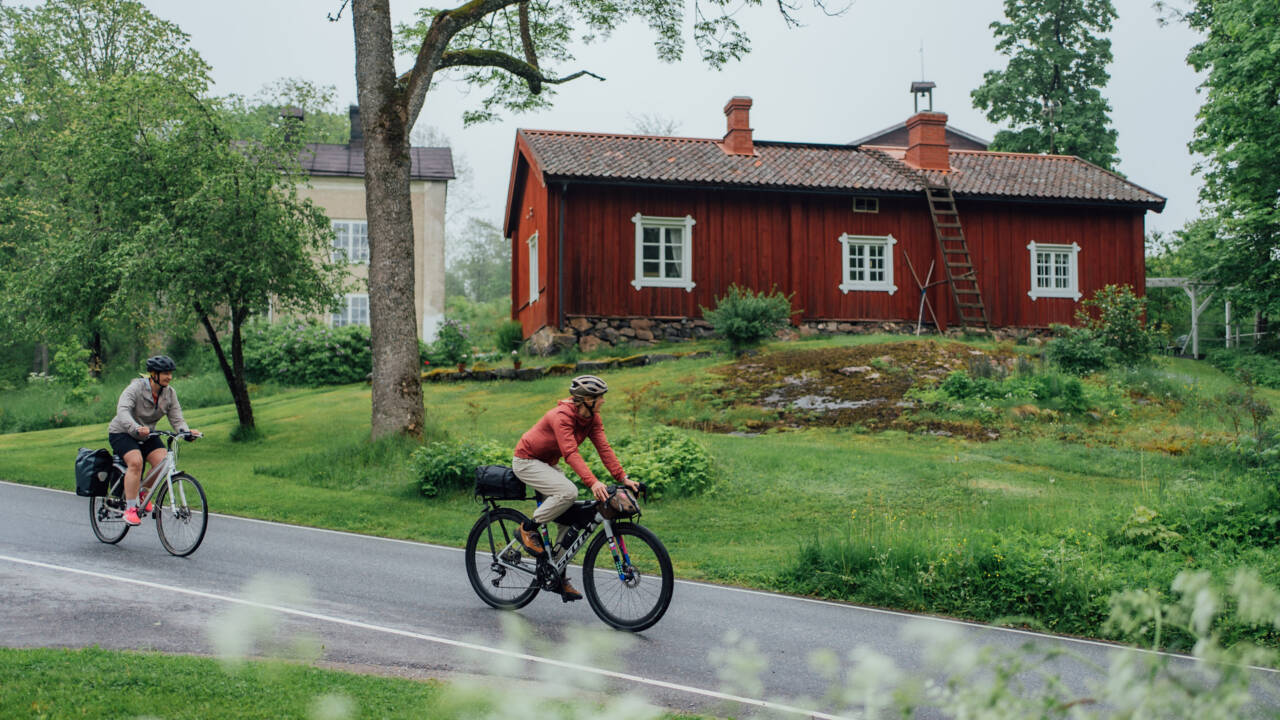
Sustainable tourism on the shores of the Baltic Sea – Water load management, cycling routes, and rural produce
Protecting the sensitive waters of the archipelago with wastewater solutions, Europe-wide cycling tourism highways, and new services from rural food producers all go hand in hand. Tourism in the Baltic Sea region is developed sustainably through cross-sectoral, cross-border cooperation and flexible local solutions. They are made possible by the EU's Interreg Baltic Sea Region programme.
 Cases
Cases
23.6.2026
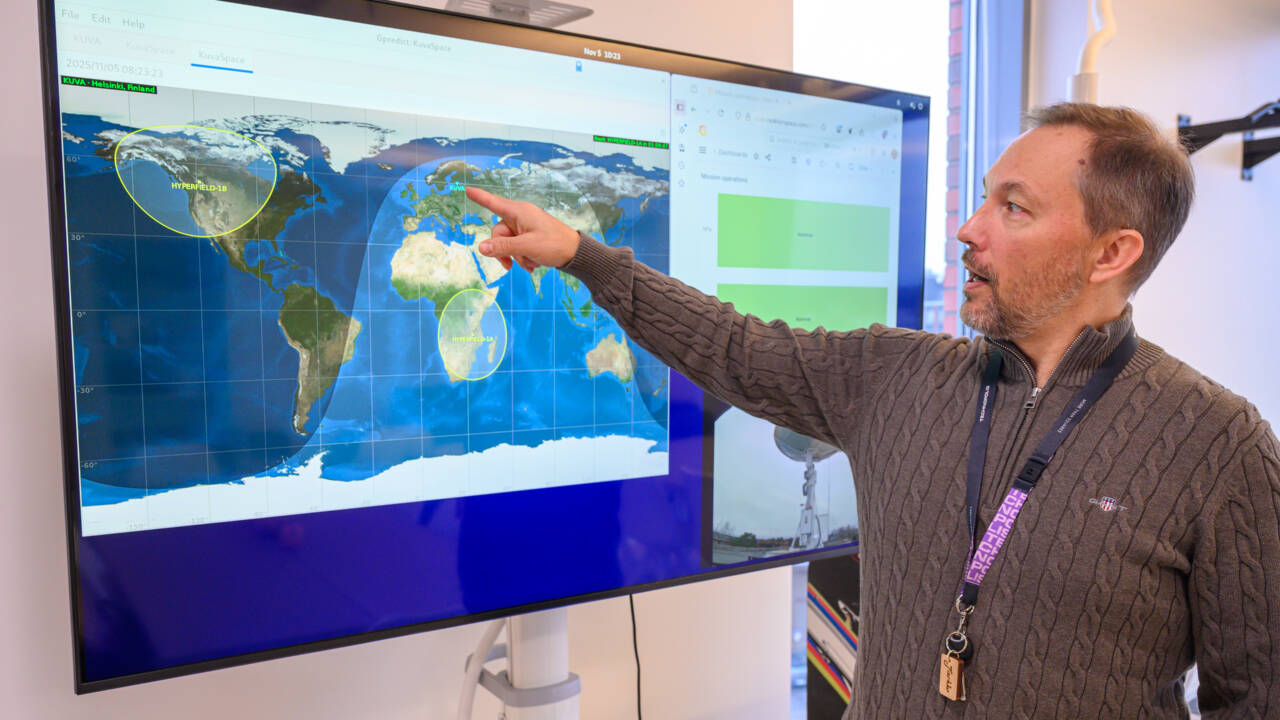
Daily global data from Kuva Space’s satellites
Kuva Space captures rapidly updated Earth observation data through its microsatellites. While the information is increasingly vital for global security, it is also used to monitor climate change, forecast crop yields, analyse water quality, and support land-use planning.