New Horizon Europe CIRCULANDIA project promotes circular food systems, regenerative agriculture and reusable packaging

The European Commission has awarded Horizon Europe funding to the implementation of the CIRCULANDIA project on circular food systems. With a total budget of € 9.6 million, CIRCULANDIA represents a significant step towards a more resilient, regenerative, and circular Europe. The project aims to build and scale circular urban and regional food solutions that combine regenerative agriculture, local food production and distribution, and reusable packaging solutions.
The overall aim of CIRCULANDIA is to break linear production–consumption–waste models and replace them with circular solutions that reduce greenhouse gas emissions, improve soil health and ecosystems, shorten food supply chains, and decrease packaging waste. Over the coming years (2026-2030), CIRCULANDIA project will provide resources for long-term development towards circular transition.
Pilot actions and demonstration sites across Europe
– As the coordinator of CIRCULANDIA, I am very pleased to get to launch this ambitious European collaboration, which for uniquely brings together regenerative agriculture, local food systems, and reusable packaging into a truly integrated approach. Our goal is not to optimise individual solutions, but to transform the way the entire food ecosystems operate towards a genuinely circular and climate-neutral model, states Head of Circular Economy Anna Tenhunen-Lunkka, from CLIC Innovation.
A key feature of CIRCULANDIA is its three-level replication model, where solutions are first demonstrated in pilot cities, then adapted and implemented by replicator cities, and further scaled through multiplier regions preparing for future uptake.
CIRCULANDIA will create transferable and scalable models that contribute to the objectives of the European Green Deal and support the European Commission’s Circular Cities and Regions Initiative (CCRI).
The project consists of a wide range of actions. The remote monitoring system used to verify carbon sequestration will be scaled up and replicated, while municipality-owned fields will be guided towards regenerative farming practices. In addition, local underused biostreams will be sourced and valorised, and demonstrations of urban farming models will be launched. The project will also establish a full-scale demonstration of a local reusable packaging ecosystem and increase consumer engagement with reusable takeaway packaging.
Driving the transition together
The project brings together 35 organisations from 12 different countries across Europe, including cities, regions, businesses, industry, clusters, research organizations, and NGOs.
The project’s target groups include cities, regions, public authorities, SMEs, the Horeca sector, farmers, civil society organisations, research institutions, industry and technology providers, as well as financial institutions.
– Together with cities, regions, businesses, and research organisations, we are building practical solutions that can be scaled across Europe, delivering measurable reductions in emissions, resource use, and waste, while strengthening local resilience and biodiversity. While systemic change is inherently complex and challenging, we are not waiting for perfect conditions—we are taking action and driving the transition forward now, together, underlines consortium coordinator, Head of Circular Economy Anna Tenhunen-Lunkka.
The consortium includes the following partners:
- CLIC Innovation (Finland)
- Helsinki-Uusimaa Regional Council (Finland)
- City of Vantaa (Finland)
- Stadt Freiburg (Germany)
- Ajuntament de Manacor (Spain)
- Møre og Romsdal fylkeskommune (Norway)
- Metropole Européenne de Lille (France)
- Stad Roeselare (Belgium)
- City of Espoo (Finland)
- Município de São João da Madeira (Portugal)
- Zagrebacki Holding d.o.o. (Croatia)
- Intercommunale de gestion de l’environnement – IPALLE (Belgium)
- Baltic Sea Action Group (Finland)
- Finnish Meteorological Institute (Finland)
- Stiftelsen Norsk Senter for Økologisk Landbruk / NORSØK (Norway)
- Kekkilä-BVB Oy (Finland)
- University of Helsinki (Finland)
- Flanders`Food (Belgium)
- Mission Zero Academy (Belgium)
- Fundació Catalana per a la Prevenció de Residus i el Consum Responsable (Spain)
- Evolvis (Belgium)
- Fair Resource Foundation (Netherlands)
- University of Vaasa (Finland)
- GreenDelta GmbH (Germany)
- IDEA Strategische Economische Consulting (Belgium).
The following multiplier cities and regions support wider uptake and future adoption:
- Câmara Municipal do Funchal (Portugal)
- Executive Committee of the Khmelnytskyi City Council of Khmelnytskyi Region (Ukraine)
- Executive Committee of Lutsk City Council (Ukraine)
- Ville de Bruxelles (Belgium)
- Ville de Roubaix (France)
- Metropole de Lyon (France)
- Latvijas Korporativas Socialas Atbildibas Platforma (Latvia)
- Municipality of Tuusula (Finland)
- City of Hyvinkää (Finland)
- City of Raasepori (Finland).
Contact:
Anna Tenhunen-Lunkka, anna.tenhunen-lunkka@clicinnovation.fi
This project has received funding from the European Union’s Horizon Europe research and innovation programme under Grant Agreement No. 101291131.
Funded by the European Union. Views and opinions expressed are however those of the author(s) only and do not necessarily reflect those of the European Union or the European Research Executive Agency. Neither the European Union nor the granting authority can be held responsible for them.

Take also a look at these
 News
News
8.10.2026
Over billion euros in Horizon Europe funding secured for Helsinki-Uusimaa
Organisations in the Helsinki-Uusimaa region have so far received around 1.07 billion euros from the European Union's Horizon Europe programme for research, development and innovation (RDI) activities. This is more than 60 per cent of all the funding Finland has received during the EU's current programme period of 2021–2027.
 Cases
Cases
7.10.2026
Future traffic in the Baltic Sea and urban airspace
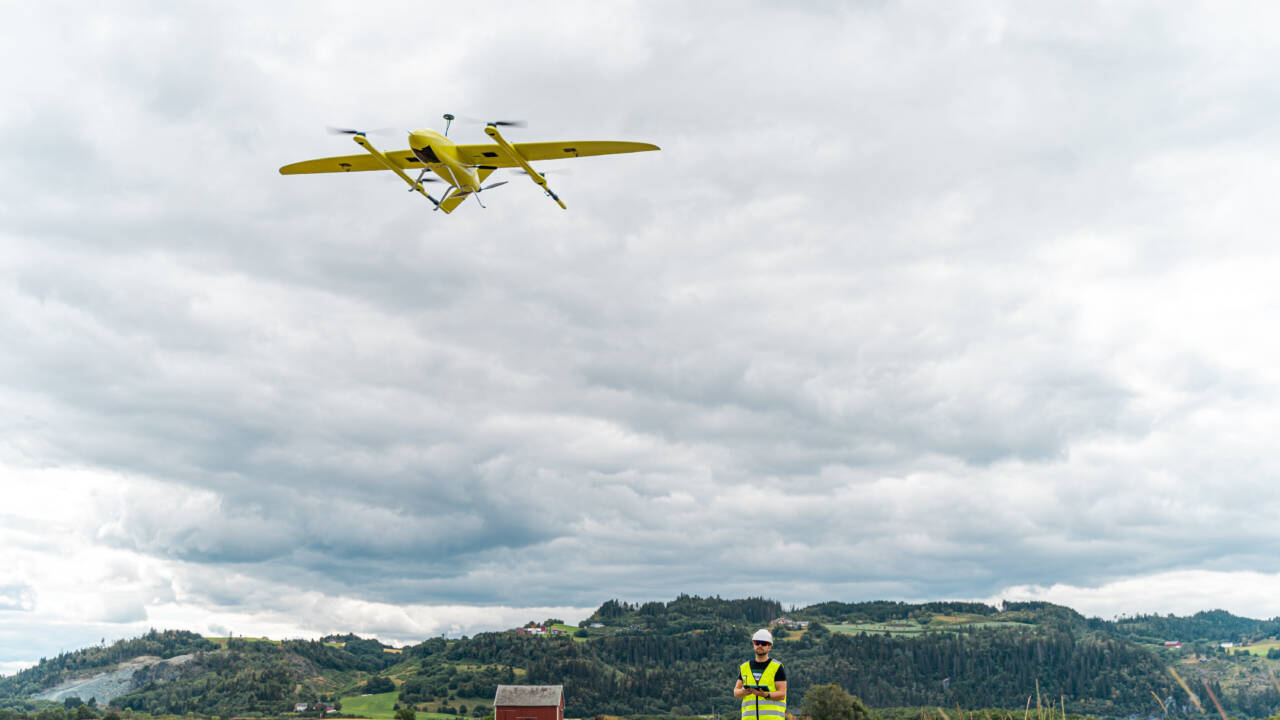
Safe navigation in the waters and air of the Baltic Sea region is increasingly dependent on up-to-date information, functioning backup systems, and foresight. In projects under the Interreg Baltic Sea Region programme, Finnish operators have developed solutions that improve navigation and preparedness for disruptions, and help cities to prepare for the proliferation of drones.
 Cases
Cases
2.9.2026
Sustainable tourism on the shores of the Baltic Sea – Water load management, cycling routes, and rural produce
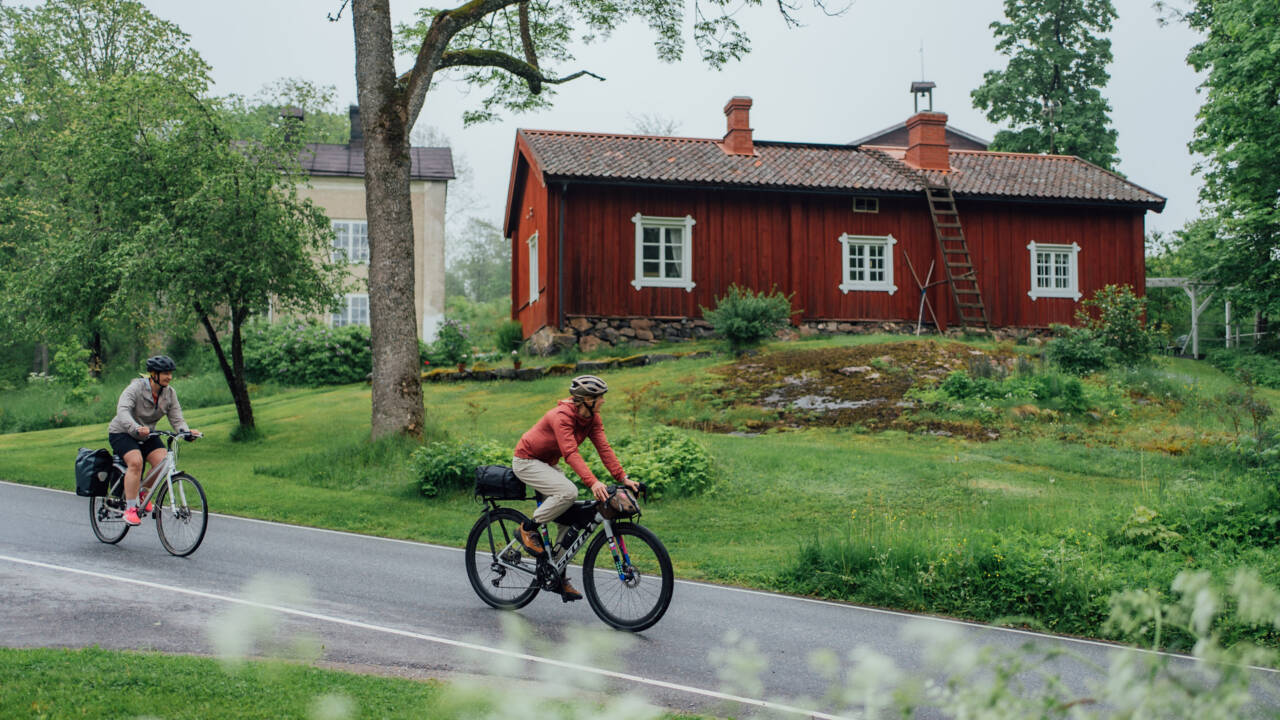
Protecting the sensitive waters of the archipelago with wastewater solutions, Europe-wide cycling tourism highways, and new services from rural food producers all go hand in hand. Tourism in the Baltic Sea region is developed sustainably through cross-sectoral, cross-border cooperation and flexible local solutions. They are made possible by the EU's Interreg Baltic Sea Region programme.
 Cases
Cases
23.6.2026
Daily global data from Kuva Space’s satellites
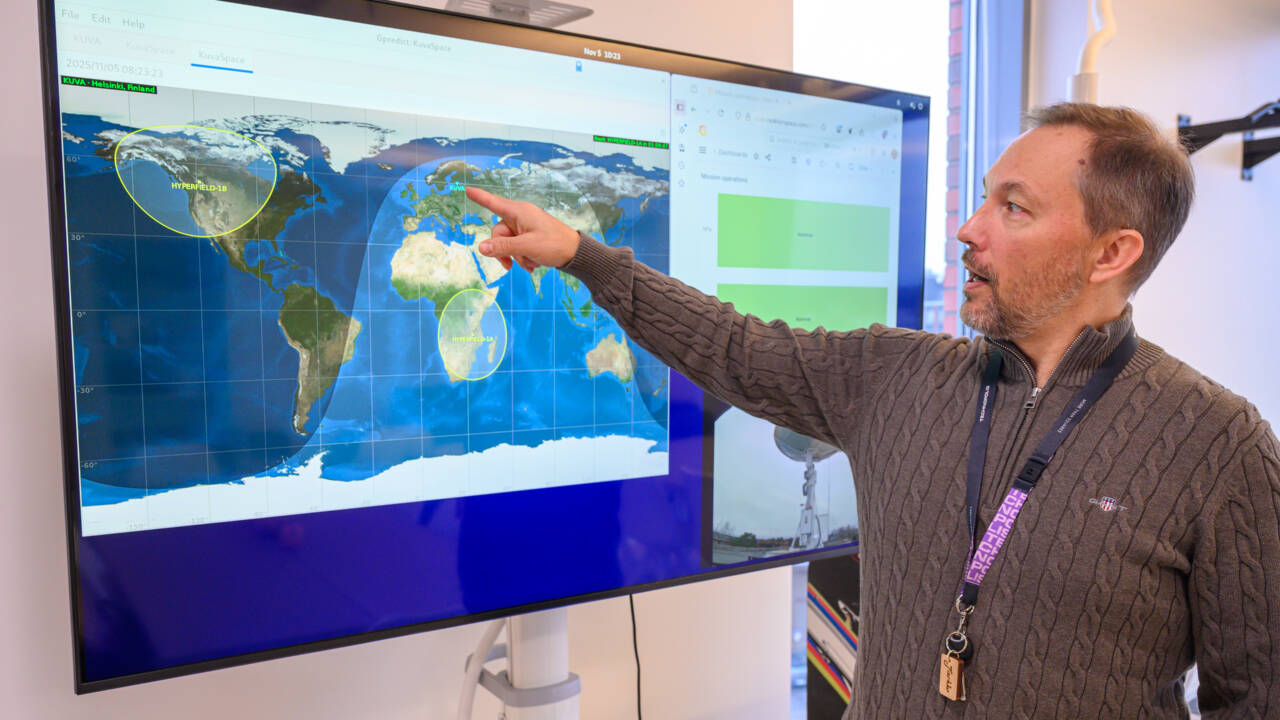
Kuva Space captures rapidly updated Earth observation data through its microsatellites. While the information is increasingly vital for global security, it is also used to monitor climate change, forecast crop yields, analyse water quality, and support land-use planning.