Helsinki-Uusimaa: EU bioeconomy must be developed within the limits of nature’s carrying capacity
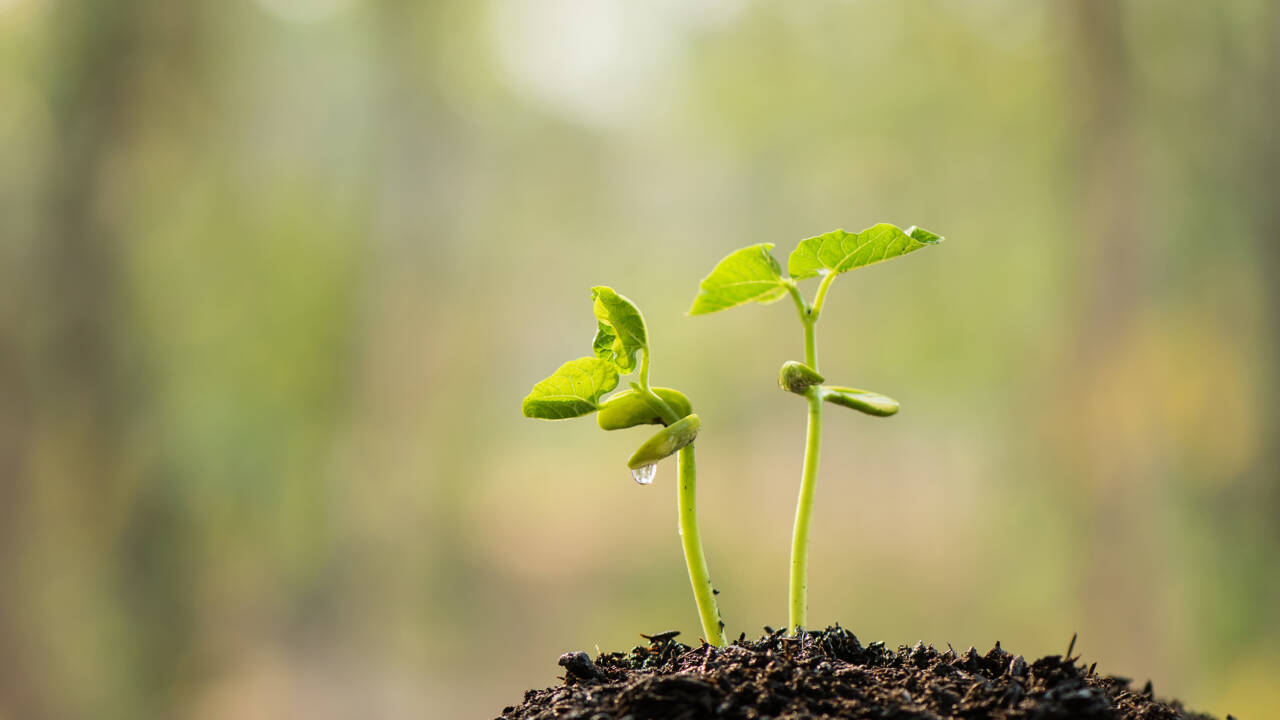
The European Commission is currently preparing a new bioeconomy strategy that will set guidelines for a functioning circular economy, sustainable production, bio-based products and consumption in Europe. The aim of the strategy is to promote the development of the bioeconomy by utilising renewable natural resources to increase sustainable economic growth, innovation and employment.
The bioeconomy is an important topic for the Helsinki-Uusimaa Region, which is why it is important to participate in the discussion now. The Helsinki-Uusimaa Regional Council, in cooperation with the Helsinki EU Office and regional stakeholders, has prepared a position paper summarising views on the Commission’s upcoming bioeconomy strategy.
The bioeconomy strategy offers significant opportunities for research institutes, universities, companies and municipalities, which can benefit from investments in the bioeconomy and research, development and innovation projects. However, development must take place within the limits of nature’s carrying capacity: the bioeconomy must be developed in a way not jeopardising biodiversity but rather increasing it.
EU legislation should promote adoption of bio-based and circular economy solutions
From the perspective of Helsinki-Uusimaa, the bioeconomy, circular economy and promotion of a clean and green transition are closely interlinked and should also be promoted as a single entity. The bioeconomy strategy must be in line with the EU’s circular economy legislation, which is currently being prepared. Together, these should support the adoption of European bioeconomy and circular economy solutions.
– The new bioeconomy strategy of the EU is an important step forward in achieving its environmental, biodiversity and climate goals. Our Region wants to be strongly involved in providing innovative solutions to promote sustainability and competitiveness throughout Europe, says Sustainability Manager Ms Pia Tynys.
Helsinki-Uusimaa is home to 1.8 million people, which is about one third of the total population of Finland. Thanks to migration, the capital region in particular is one of the fastest growing urban areas in Europe. We are the second most innovative region in Europe (EU Regional Innovation Scoreboard 2023) and the centre of Finland’s international competitiveness, research and development.
The innovation actors of Helsinki-Uusimaa are pioneers in developing a resource-wise and carbon-neutral society that is good for its residents, businesses and nature. Our Region’s strong expertise and RDI activities create well-being and vitality through the wise use of resources. The bioeconomy, circular economy and promotion of the green transition are key development themes in the Helsinki-Uusimaa innovation ecosystem.
Recommendations from Helsinki-Uusimaa:
- The bioeconomy strategy should first and foremost contribute to achieving the EU’s environmental and climate goals, within the limits of nature’s carrying capacity. It must be ensured that bioeconomy solutions offer measurable benefits for the entire planet.
- Bioeconomy, circular economy and clean transition are interconnected and should be regarded as a strategic sustainability framework for the Union. Bioeconomy should also be recognized horizontally as an elementary part of its industrial policy and instruments.
- The role of biotechnology and bio-based solutions in solving global challenges needs to be better recognised.
- Investing in bioeconomy solutions can decrease Europe’s critical dependencies and improve the resilience of the Union, its Member States and regions.
- Funding for R&D, including innovations and bio-based industrial applications, must be increased to advance innovation and maintain the Union’s leading position in the bioeconomy.
- Investing in skills, research and cooperation are essential to realise the full potential of bioeconomy and biotechnology.
- Predictable and coherent, but also flexible, EU regulation should support and enable the development and investments in bioeconomy.
Further information:
For more information, please contact:
Ida Honkanen
Senior Adviser
ida.honkanen@uudenmaanliitto.fi
Development of research, development, and innovation (RDI) activities in Helsinki-Uusimaa, RDI communications and promotion of interest, national and international RDI cooperation, Smart Specialisation Strategy
Off Duty. Salla Lahtinen is deputizing.

Wilhelmiina Koivuniemi
Senior Adviser, EU Affairs
wilhelmiina.koivuniemi@helsinki.eu
Climate, environment and energy policy at Helsinki EU Office
Take also a look at these
 Cases
Cases
2.9.2026
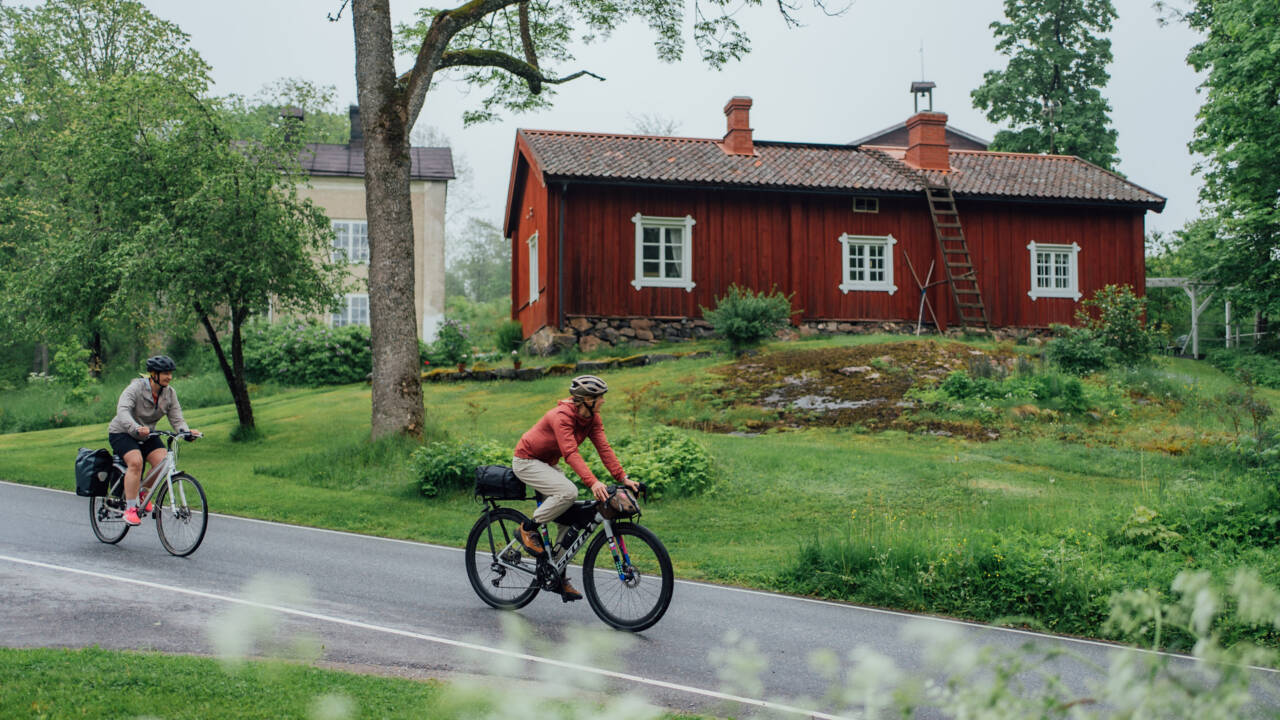
Sustainable tourism on the shores of the Baltic Sea – Water load management, cycling routes, and rural produce
Protecting the sensitive waters of the archipelago with wastewater solutions, Europe-wide cycling tourism highways, and new services from rural food producers all go hand in hand. Tourism in the Baltic Sea region is developed sustainably through cross-sectoral, cross-border cooperation and flexible local solutions. They are made possible by the EU's Interreg Baltic Sea Region programme.
 Cases
Cases
23.6.2026
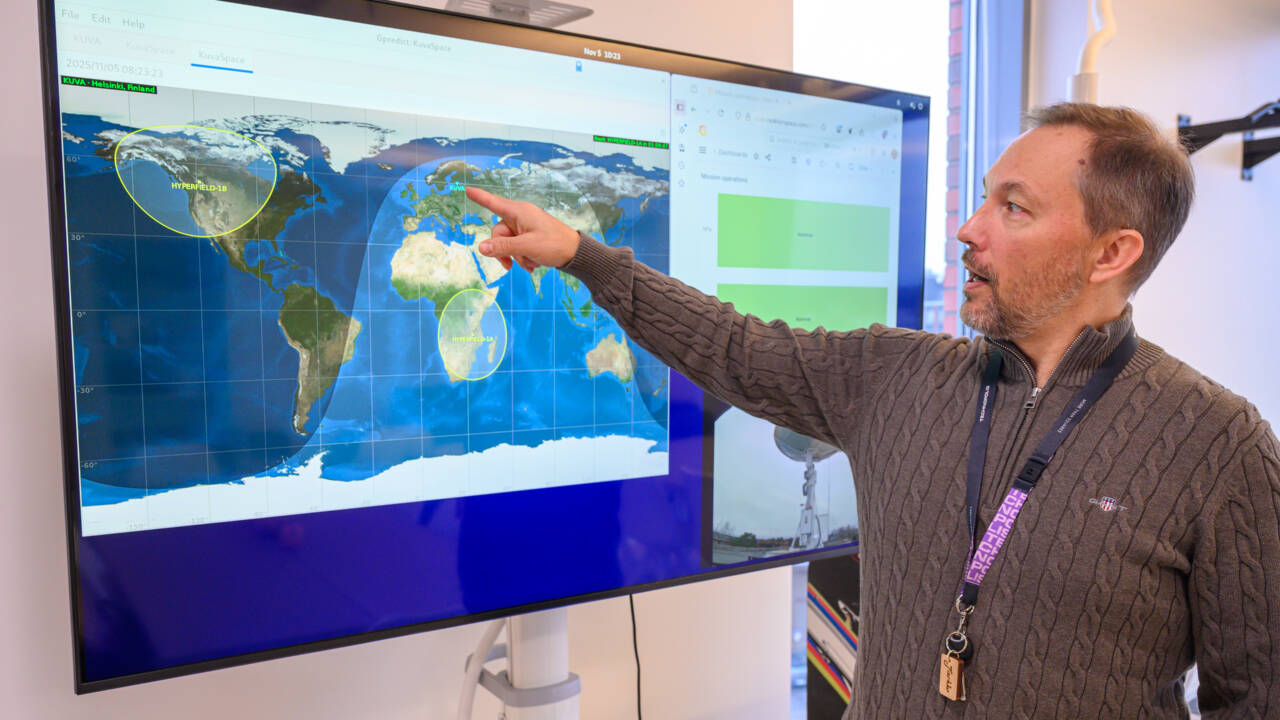
Daily global data from Kuva Space’s satellites
Kuva Space captures rapidly updated Earth observation data through its microsatellites. While the information is increasingly vital for global security, it is also used to monitor climate change, forecast crop yields, analyse water quality, and support land-use planning.
 News
News
29.5.2026
New Horizon Europe CIRCULANDIA project promotes circular food systems, regenerative agriculture and reusable packaging
The European Commission has awarded Horizon Europe funding to the implementation of the CIRCULANDIA project on circular food systems.
 Cases
Cases
4.3.2026
Pornainen made headlines with the world’s largest sand battery
Pornainen was chosen as a pilot site when a Finnish circular economy innovation, an industrial-grade sand battery, began producing clean district heating for the municipality.