The EU’s new Bioeconomy Strategy offers strong prospects for Helsinki-Uusimaa
The European Commission published its new Bioeconomy Strategy today, setting the direction for the development of one of Europe’s fastest-growing sectors. The bioeconomy still holds considerable untapped potential, which the Commission now aims to unlock to drive sustainable economic growth, accelerate innovation and create new jobs. The strategy is also directly linked to Helsinki-Uusimaa’s goals for climate neutrality, the circular economy, biodiversity and sustainable food systems.
What does the new strategy mean for Finland and Helsinki-Uusimaa?
The bioeconomy offers significant opportunities for research institutes, higher education institutions, companies and municipalities in Helsinki-Uusimaa, all of which stand to benefit from bioeconomy investments as well as research, development and innovation projects. However, this development must remain within the limits of nature’s carrying capacity: the bioeconomy must be advanced in a way that does not endanger biodiversity but rather helps to enhance it.
Last summer, the Helsinki-Uusimaa Regional Council, together with the Helsinki EU Office and regional stakeholders, prepared a position paper on the strategy while it was still under development. Helsinki-Uusimaa’s views are well reflected in the newly published strategy, including the emphasis on developing the bioeconomy within the limits of nature’s carrying capacity, the need for investment and the role of EU regulation in supporting bioeconomy development. However, the strategy could have addressed the circular economy even more comprehensively.
– Helsinki-Uusimaa has a strong research and innovation ecosystem, as well as forward-thinking public sector actors. Our region’s competitiveness in the bioeconomy is built above all on expertise, technology and the ability to apply circular and bio-based solutions, says Pia Tynys, Sustainability Manager at the Helsinki-Uusimaa Regional Council.
Regions play a key role in implementation
The Commission recognises that municipalities and regions are central actors in implementing the strategy. Many bioeconomy solutions scale through local value chains, and demand is supported through municipal procurement. Farmers, forest owners, fishers, industry, investors and the public authorities at regional and local level, as well as the support of civil society, will all be needed for the Commission’s vision to become reality.
The Member States differ widely, and this has been considered in the strategy’s implementation. The state of nature, industrial capacity and innovation ecosystems vary across the EU. Regions are encouraged to promote bioeconomy-related education and reskilling. This is also needed in Helsinki-Uusimaa, even though we already have a strong foundation to build on.
The strategy’s four main pillars and what they mean for Helsinki-Uusimaa
1. Innovation and investments, “From laboratory to the market”
The first pillar of the EU Bioeconomy Strategy focuses on how promising innovations can be brought from the laboratory to the market. One of the current challenges is the long and complex authorisation procedures for new products. The Commission plans to simplify and speed up these processes, provide more guidance, and promote the exchange of best practices at an early stage of innovation development.
In addition to smooth authorisation procedures, market access also requires adequate financing. The Commission has previously proposed new financing instruments, such as the European Competitiveness Fund and the Scale-up Europe Fund, as well as strengthening the Horizon Europe programme. Funding is needed for research, demonstration activities and investments along the value chain.
Helsinki-Uusimaa has a strong research and innovation ecosystem that can benefit from EU funding and access to pilot and demonstration infrastructure. The bioeconomy, the circular economy and the advancement of the green transition are key development themes within Helsinki-Uusimaa’s innovation ecosystem. Investments in skills, research and collaboration are essential to unlock the full potential of the bioeconomy and biotechnology, including in Helsinki-Uusimaa.
2. Developing lead markets for bio-based products and technologies
The second pillar of the EU Bioeconomy Strategy focuses on how to create strong and predictable lead markets for bio-based products and technologies. Demand is boosted, among other things, through public procurement. The Commission will examine how the Public Procurement Directives could better facilitate the procurement of bio-based products.
According to the Commission, the greatest market potential lies in five key product groups: bio-based plastics and polymers, textile fibres, chemicals, construction materials, and bio-based fertilisers and plant protection products. The Commission outlines several initiatives aimed at strengthening the markets for these products.
Helsinki-Uusimaa’s strengths, including its high level of expertise and its bioeconomy and circular economy ecosystems, support the development and uptake of bio-based products. Cities’ climate and sustainability targets, together with public procurement, can act as demand-driven engines for bio-based construction materials and textiles. In addition, Helsinki-Uusimaa can make use of EU funding instruments and networks to develop new business models and innovations.
3. Sustainable biomass supply: Advancing circularity and the use of secondary streams
The third pillar of the EU Bioeconomy Strategy focuses on securing a sustainable biomass supply and managing it over the long term. The Commission recognises that biomass production must remain within the limits of the planet’s carrying capacity. It is therefore essential to understand how biomass production can be balanced with protection and restoration. The strategy highlights three main principles: circularity, resource efficiency and ecosystem resilience. The EU aims to reduce the need for primary biomass by making more efficient use of secondary streams and waste. The aim is, for example, to close the nutrient cycle and reduce dependence on synthetic fertilisers, supporting both the environment and security of supply. The Commission also sees nature credits as part of the bioeconomy. This provides strong support for the emerging nature value markets in Finland and Helsinki-Uusimaa. This can create new income opportunities for farmers and forest owners in Helsinki-Uusimaa, while also offering financing for improving the state of nature in urban areas.
From the perspective of the Helsinki-Uusimaa Regional Council, the Bioeconomy Strategy must first and foremost support the achievement of the EU’s environmental and climate objectives, within the limits of nature’s carrying capacity. Circularity must have a central role in Europe’s bioeconomy. The Helsinki-Uusimaa Circular Hub and the region’s circular economy ecosystem offer concrete solutions to this.
4. Global partnerships and the EU’s role in shaping bioeconomy standards
The fourth pillar of the EU Bioeconomy Strategy focuses on the international opportunities for the bioeconomy. As climate change accelerates, land-use pressures increase and global competition for biomass intensifies. There is a need for international alignment on what constitutes a sustainable bioeconomy. The EU emphasises strategic partnerships that help open global markets for EU bio-based products. Standards need to be developed jointly, and unnecessary trade barriers must be removed.
From Helsinki-Uusimaa’s perspective, the fourth pillar opens doors to international networking and business opportunities. International standards and markets can also create demand for Finnish innovations, particularly in the fields of circular economy and biotechnology.
All four pillars offer strong opportunities for actors in Helsinki-Uusimaa. It is therefore worth seizing the opportunities the EU offers, whether in the form of knowledge, funding or networks. World-class solutions are being developed here: solutions that benefit Helsinki-Uusimaa and are in demand internationally.
For more information, please contact:
Hanna Mattila
Senior Adviser
hanna.mattila@uudenmaanliitto.fi
Support for transition to circular economy, Helsinki-Uusimaa Circular Hub, European Circular Innovation Valley Project (ECIV)

Wilhelmiina Koivuniemi
Senior Adviser, EU Affairs
wilhelmiina.koivuniemi@helsinki.eu
Climate, environment and energy policy at Helsinki EU Office
Take also a look at these
 Cases
Cases
2.9.2026
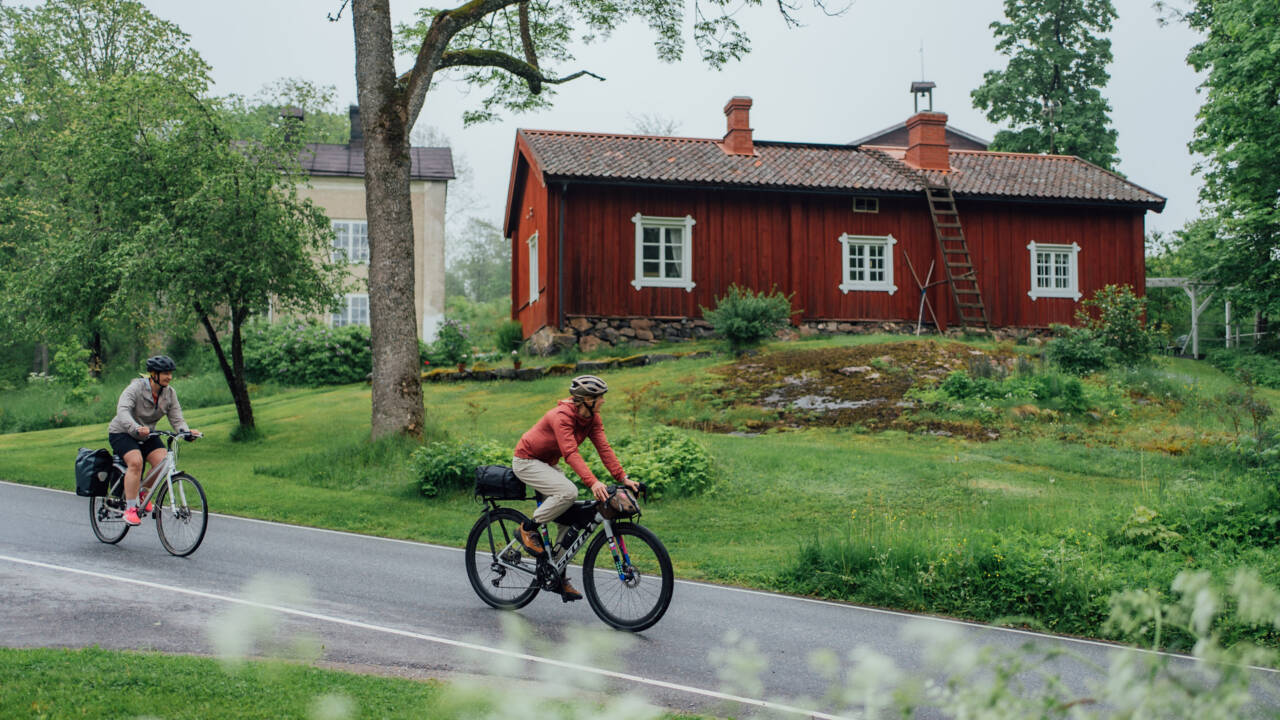
Sustainable tourism on the shores of the Baltic Sea – Water load management, cycling routes, and rural produce
Protecting the sensitive waters of the archipelago with wastewater solutions, Europe-wide cycling tourism highways, and new services from rural food producers all go hand in hand. Tourism in the Baltic Sea region is developed sustainably through cross-sectoral, cross-border cooperation and flexible local solutions. They are made possible by the EU's Interreg Baltic Sea Region programme.
 Cases
Cases
23.6.2026
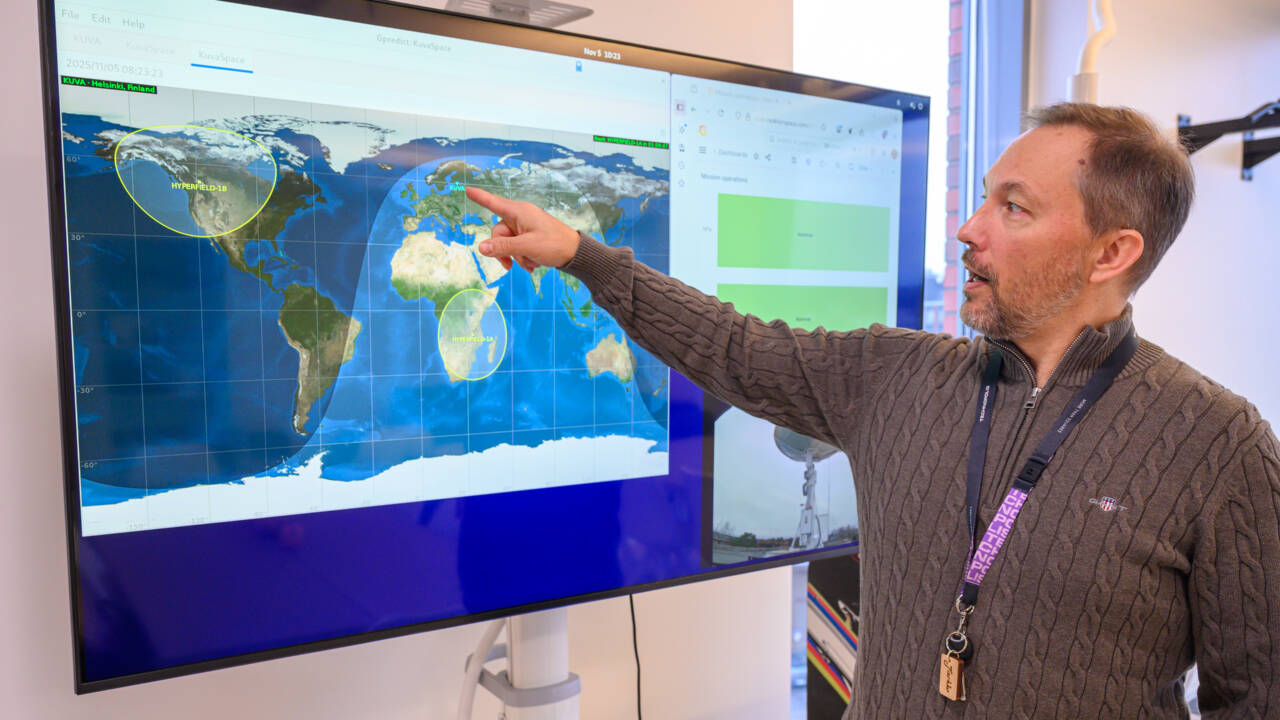
Daily global data from Kuva Space’s satellites
Kuva Space captures rapidly updated Earth observation data through its microsatellites. While the information is increasingly vital for global security, it is also used to monitor climate change, forecast crop yields, analyse water quality, and support land-use planning.