Time to rethink taxation and procurement – the EU needs clear rules for the circular economy

The European Commission is currently preparing new legislation on the circular economy (Circular Economy Act). The Helsinki-Uusimaa Regional Council and the Uusimaa Circular Hub are taking part in the discussion and have drafted a position paper on the legislative proposal together with stakeholders.
The Commission plans to propose the Circular Economy Act to enhance the EU’s economic security, competitiveness and decarbonisation. The goal is to boost demand and supply in the circular economy market. At its best, the new legislation would accelerate the circular economy, carbon neutrality, and the transition to clean energy, all of which are key to the Helsinki-Uusimaa region’s competitiveness.
– The circular economy promotes more efficient use of natural resources and improves the region’s competitiveness and self-sufficiency. Common EU rules are very important for mainstreaming the circular economy. We also want to encourage others to submit their comments on the Circular Economy Act to the Commission by 6 November at the latest, says Pia Tynys, Sustainability Manager at the Helsinki-Uusimaa Regional Council.
Recommendations from Helsinki-Uusimaa:
- All EU legislation must support resource use within planetary boundaries and promote biodiversity and climate action.
- Binding, clear and harmonised EU-level legislation for the circular economy is crucial for the competitiveness of the whole EU. Circular economy is the source of growth in the EU and reinforces EU’s position in the green transition globally.
- Recycled materials strengthen EU’s strategic autonomy and reduce dependency on critical raw materials. Circular economy increases food system resilience by reducing reliance on imported and finite resources.
- Material design must prioritize environmental safety, circularity, and compatibility with nature.
- Public procurement plays a key role in driving circularity — mandatory and reportable circular criteria for procurements above EU thresholds are needed.
- Taxation should promote circularity by shifting the burden from labour to virgin resource use; recycled materials must be taxed less.
- Producer responsibility should be extended to all sectors and harmonised across all Member States.
- Harmonised EU rules are needed to prevent reusable materials from being wrongly classified as waste.
- Cities and regions are key to implementing circular economy policy on the ground. Long-term funding and investment incentives are vital for regional circular economy ecosystems and skills development.
Further information:

Hanna Mattila
Senior Adviser
hanna.mattila@uudenmaanliitto.fi
Support for transition to circular economy, Helsinki-Uusimaa Circular Hub, European Circular Innovation Valley Project (ECIV)
Take also a look at these
 Cases
Cases
2.9.2026
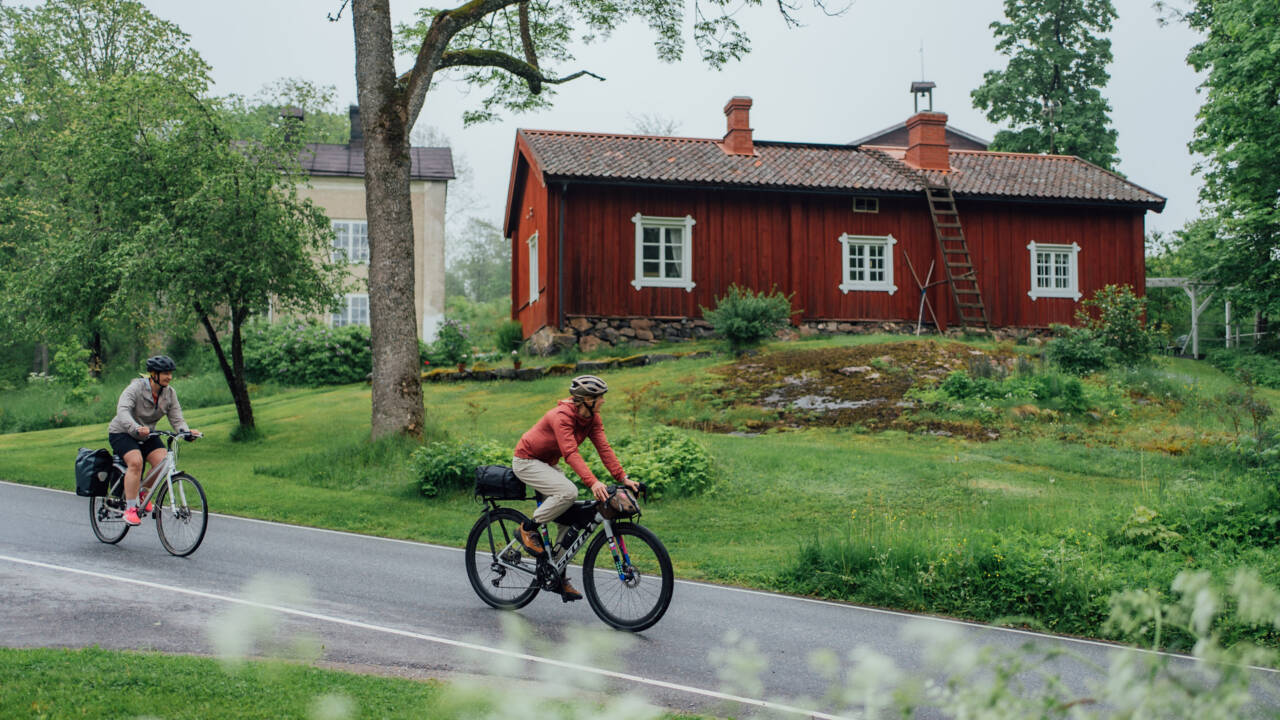
Sustainable tourism on the shores of the Baltic Sea – Water load management, cycling routes, and rural produce
Protecting the sensitive waters of the archipelago with wastewater solutions, Europe-wide cycling tourism highways, and new services from rural food producers all go hand in hand. Tourism in the Baltic Sea region is developed sustainably through cross-sectoral, cross-border cooperation and flexible local solutions. They are made possible by the EU's Interreg Baltic Sea Region programme.
 Cases
Cases
23.6.2026
Daily global data from Kuva Space’s satellites
Kuva Space captures rapidly updated Earth observation data through its microsatellites. While the information is increasingly vital for global security, it is also used to monitor climate change, forecast crop yields, analyse water quality, and support land-use planning.