Solar energy for housing companies and hydrogen as fuel – Interreg projects deliver future energy solutions
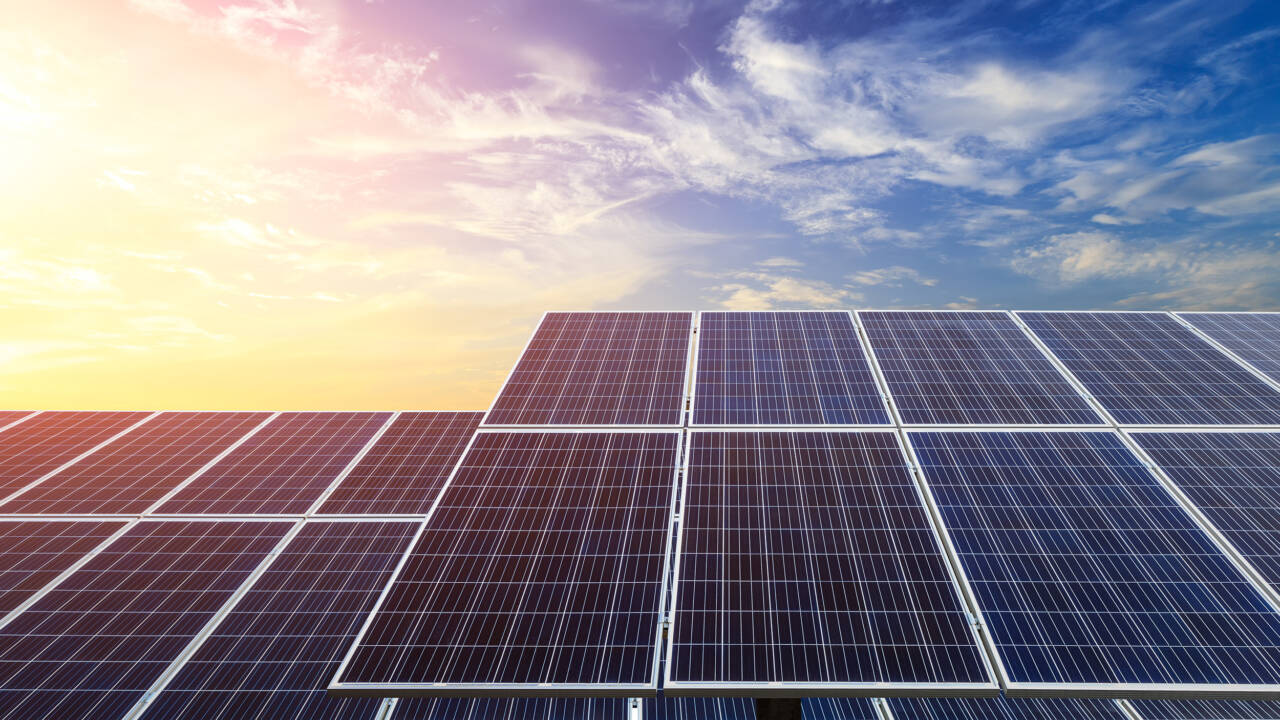
The Interreg Baltic Sea Region projects tackle cross-cutting future challenges and increase cooperation between EU regions. The EU-funded Interreg programme supports projects such as increasing energy efficiency, reducing greenhouse gas emissions, and renewable energy production in the Baltic Sea region. Finland has been involved in projects whose road maps have been created to increase the use of hydrogen fuel in lorry traffic and at airports. There have also been studies on the establishment of solar energy communities.
– I’d like to highlight that the value of the network taking part in the Interreg project has increased even more than expected. Some truly excellent operators have taken part in the project and the collaboration has been successful. We are already promoting the next projects with the same network, says Pia Salokoski from the HyTruck project.
Renewable energy from energy communities
The aim of the StartSun project is to promote the establishment of solar energy communties in the Baltic Sea region by harnessing local resources, with the goal of strengthening the region’s energy independence and maintaining jobs within the communities. Finland, Estonia, Latvia, and Sweden are participating in the project. Green Net Finland ry is responsible for carrying out the practical matters in Finland.
An energy community refers to an organisation formed by households, housing companies, communities, or companies in which energy production is either wholly or partly self-sufficient and the energy is distributed among the members of the community. The aims of the energy communities are not only to reap financial benefits, but to also strengthen the social and environmental aspects of the community.
– Our project partners wished to come together to respond to the challenges in establishing energy communities by producing concrete information, instructions, and pilot experiments on establishing and operating energy communities, says Riikka Ojala, Project Specialist at Green Net Finland.
A starter kit for establishing energy communities
In 2025, there were only 376 energy communities in Finland. This is because information about energy communities is still scarce, their scalability is poor, and energy communities are still an emerging topic. Developments are also influenced by changes in legislation.
The main output of the StartSun project for Finland is a tailor-made starter kit which covers the entire life cycle of energy communities from decision-making to establishment, operation, and equipment decommissioning.
– Green Net Finland produced the starter kit for a hypothetical pilot project aimed at small housing companies for terraced houses. The starter kit covers what makes up the total price of a solar power system, the ways of distributing the surplus electricity produced in the community, the internal and external regulations that apply to an energy community, and the profitability calculations for combining the solar power plant and the battery array, Ojala summarises.
The Starter Kit also highlights the documentation concerning the fire safety and commissioning of the solar power system, which have been found to have major deficiencies. It also covered how replacing the heating system will affect the profitability of the solar energy system.
In the Interreg-funded StartSun project, each participating country created its own starting kit that suited the conditions of the country. The universal “Start-Up Package” will be published in English at the end of 2026. It will collect data from the starter kit of each participating country to form one complete package. The Finnish Starter Kit (Starttipaketti) for establishing solar energy communities is free to read on the Green Net Finland website.
Hydrogen-powered lorry traffic in Europe
The HyTruck project explored ways to increase hydrogen-powered road transport refuelling stations from Central Europe to Northern Europe. The project contributes to the Baltic Sea region’s goal of reducing freight transport emissions towards zero. Seven EU Member States participated in the project. CLIC Innovation Oy was responsible for Finland’s part.
– In the three-year project, logistics routes were built to explore the current and future possibilities of hydrogen-powered transport. We made practical calculations on how many times the lorry would need to be refuelled, for example, en route from Berlin to Rovaniemi, and where these fueling stations should be located, says Pia Salokoski, Head of Energy at CLIC Innovation Oy.
Finland took on a communicative role in the project. Finland’s situation, especially in the context of the Uusimaa region, was examined together with Helen. A more extensive map of the possible future locations of hydrogen refuelling stations in Finland was completed on this basis. The map will be published for free use.
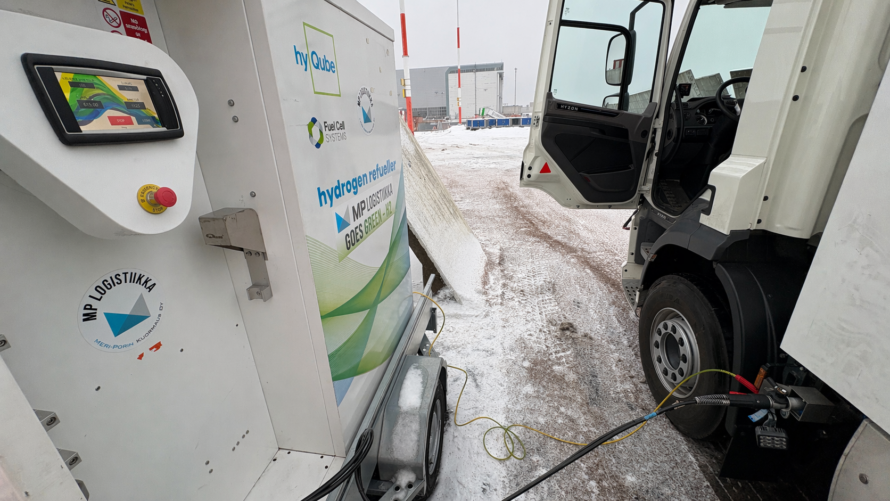
Hydrogen-powered lorries are used less in Finland when compared to the other Nordic countries
There are very few hydrogen-powered lorries in use in Finland. According to Salokoski, this is due to differences in perspective. In Finland, it is widely thought that lorry traffic will be powered by electricity in the future, and that is why investments have not been made in hydrogen refuelling station infrastructure.
– I think it’s wise to be prepared for one technology not being enough to solve the whole challenge. It would be good to have the groundwork laid out for hydrogen-powered heavy traffic, too. Electric lorries also require large charging stations and there are no electric lorries on the market, while hydrogen-powered lorries are on the road throughout Europe, says Salokoski.
The results of the HyTruck project show that the other Nordic countries are better prepared for hydrogen-powered lorry traffic. There are refuelling points in Sweden, especially in southern and central Sweden, and they can also be found in Norway. Finland’s first refuelling station has been opened in Jyväskylä, so hydrogen-powered lorry traffic may increase in the future.
Renewable fuels at airports
The HyAirport project explores one of the challenges of aviation and airport operations: reducing emissions with sustainable energy solutions without compromising safety or operational efficiency. The project involves seven EU Member States from the Baltic Sea region. Finavia is responsible for Finland’s part.
– HyAirport’s main goal has been to find out how hydrogen can be safely, cost-effectively, and scalably utilised in the airport environment even before the actual hydrogen aircraft are commercially deployed, if necessary, says Sami Kiiskinen Development Director at Helsinki Airport.
The project’s key, permanent outcome is competence and readiness, which includes practical operating models, safety-conscious thinking, and cooperation networks for utilising hydrogen at airports. The lessons learned from the project and the solutions tested in the pilot projects can be directly utilised in future investments and decision-making as Finavia develops the airport network and Helsinki Airport towards a lower-carbon and more energy-efficient operation.
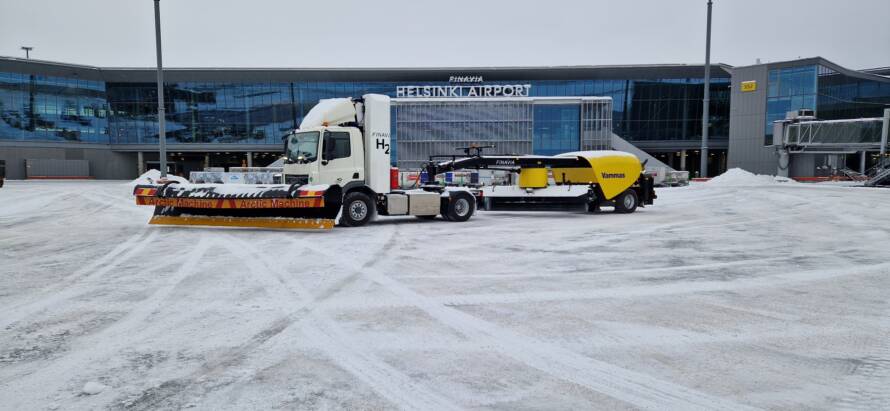
The Finnish pilot project provided valuable information
The HyAirport project produces concrete, practical information on how hydrogen can be utilised in airport operations even in Nordic conditions. The Finnish project has run pilot experiments on hydrogen-powered winter maintenance equipment in a real operational environment at Helsinki Airport in January 2026, as well as related solutions such as the refuelling of gaseous hydrogen in the apron area. Practical concerns related to hydrogen distribution, storage, and safety have also been investigated.
– Concrete and practical results bolster Finland’s role as a forerunner in the sustainable development of aviation and support our national climate and energy goals in the long term. At the same time, the project has increased hydrogen’s profile as a well-known fuel, says Kiiskinen.
Creating impact through projects
The Interreg Baltic Sea Region 2021–2027 Programme is a transnational cooperation programme covering countries across the Baltic Sea region. While the programme area includes several major European metropolitan regions, the majority of the territory is rural.
The programme aims to support the green transition and strengthen resilience across the Baltic Sea region, while improving the quality of life of its residents.
The Helsinki-Uusimaa Regional Council is responsible for national communication for the Baltic Sea Region Programme. In addition, we grant and pay national co-financing to Finnish partners in projects funded under the programme during the 2021–2027 programming period and act as the programme’s supervisory authority.
This article is part of a five-part series exploring the results and impacts of Interreg Baltic Sea Region projects. The article was written by Iiris Jouhilampi (OSG).
Take also a look at these
 News
8.10.2026
Over billion euros in Horizon Europe funding secured for Helsinki-Uusimaa
Organisations in the Helsinki-Uusimaa region have so far received around 1.07 billion euros from the European Union's Horizon Europe programme for research, development and innovation (RDI) activities. This is more than 60 per cent of all the funding Finland has received during the EU's current programme period of 2021–2027.
 Cases
7.10.2026
Future traffic in the Baltic Sea and urban airspace
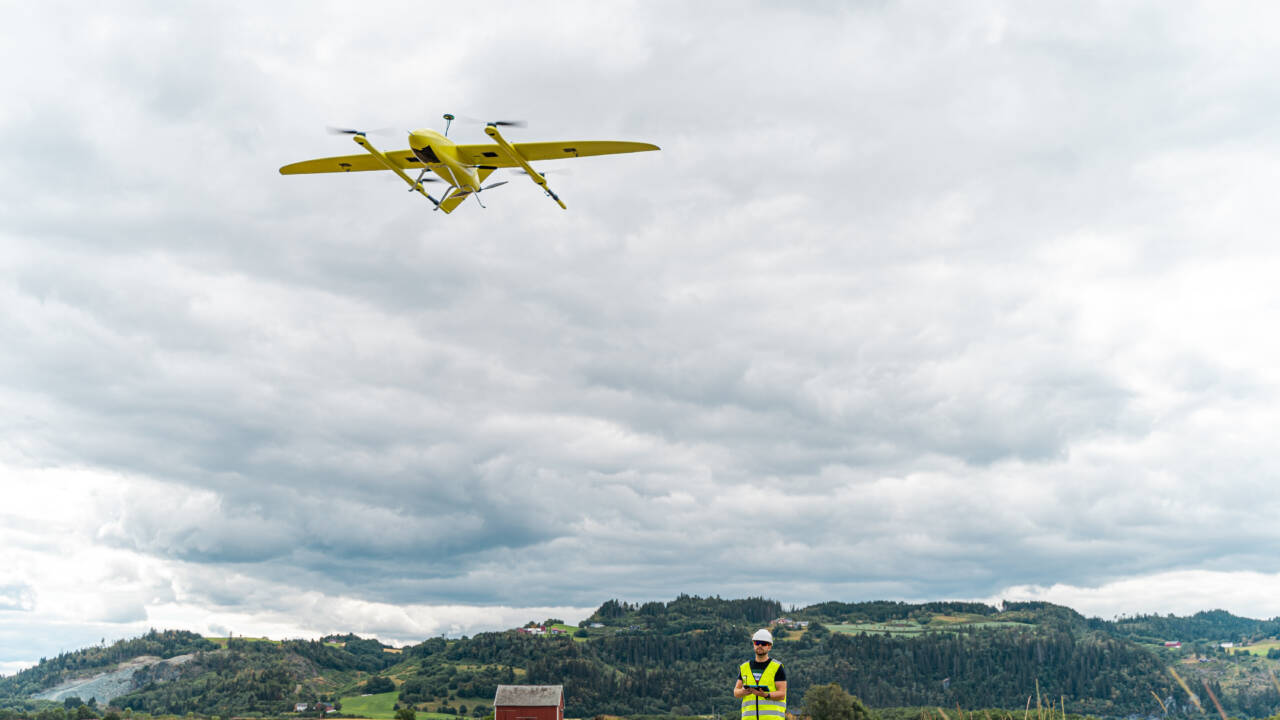
Safe navigation in the waters and air of the Baltic Sea region is increasingly dependent on up-to-date information, functioning backup systems, and foresight. In projects under the Interreg Baltic Sea Region programme, Finnish operators have developed solutions that improve navigation and preparedness for disruptions, and help cities to prepare for the proliferation of drones.
 Cases
2.9.2026
Sustainable tourism on the shores of the Baltic Sea – Water load management, cycling routes, and rural produce
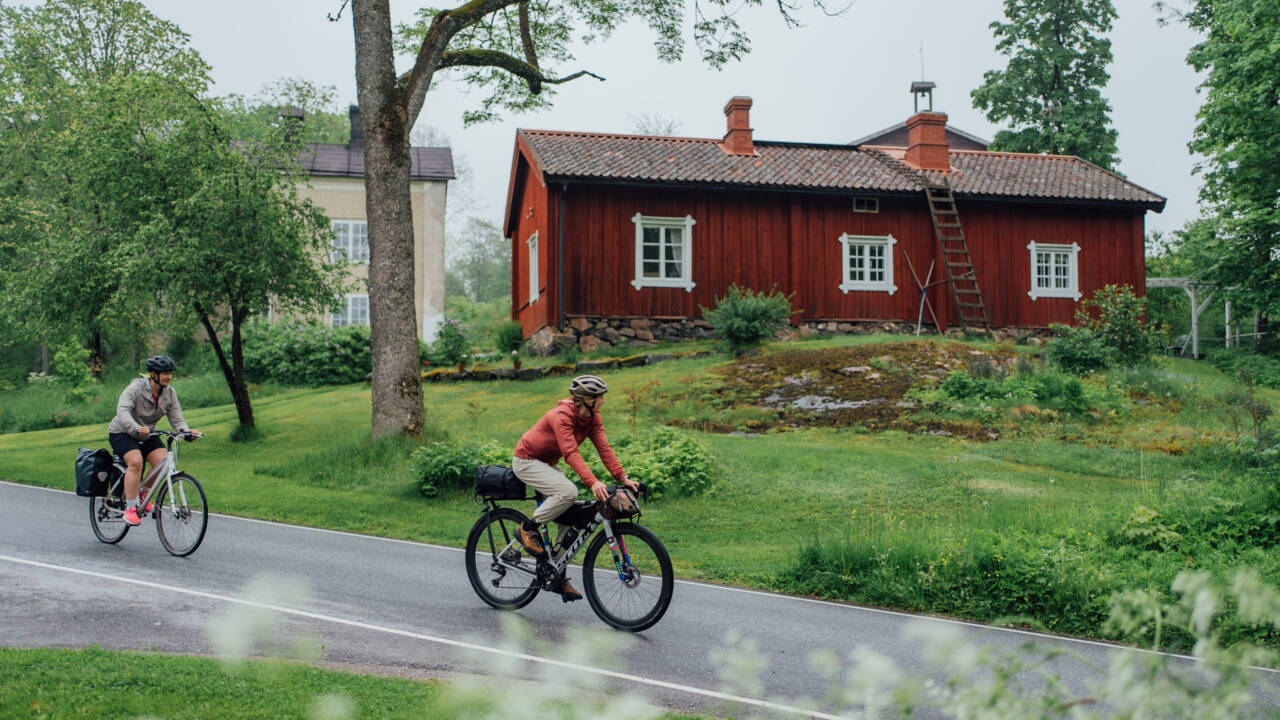
Protecting the sensitive waters of the archipelago with wastewater solutions, Europe-wide cycling tourism highways, and new services from rural food producers all go hand in hand. Tourism in the Baltic Sea region is developed sustainably through cross-sectoral, cross-border cooperation and flexible local solutions. They are made possible by the EU's Interreg Baltic Sea Region programme.
 Cases
23.6.2026
Daily global data from Kuva Space’s satellites
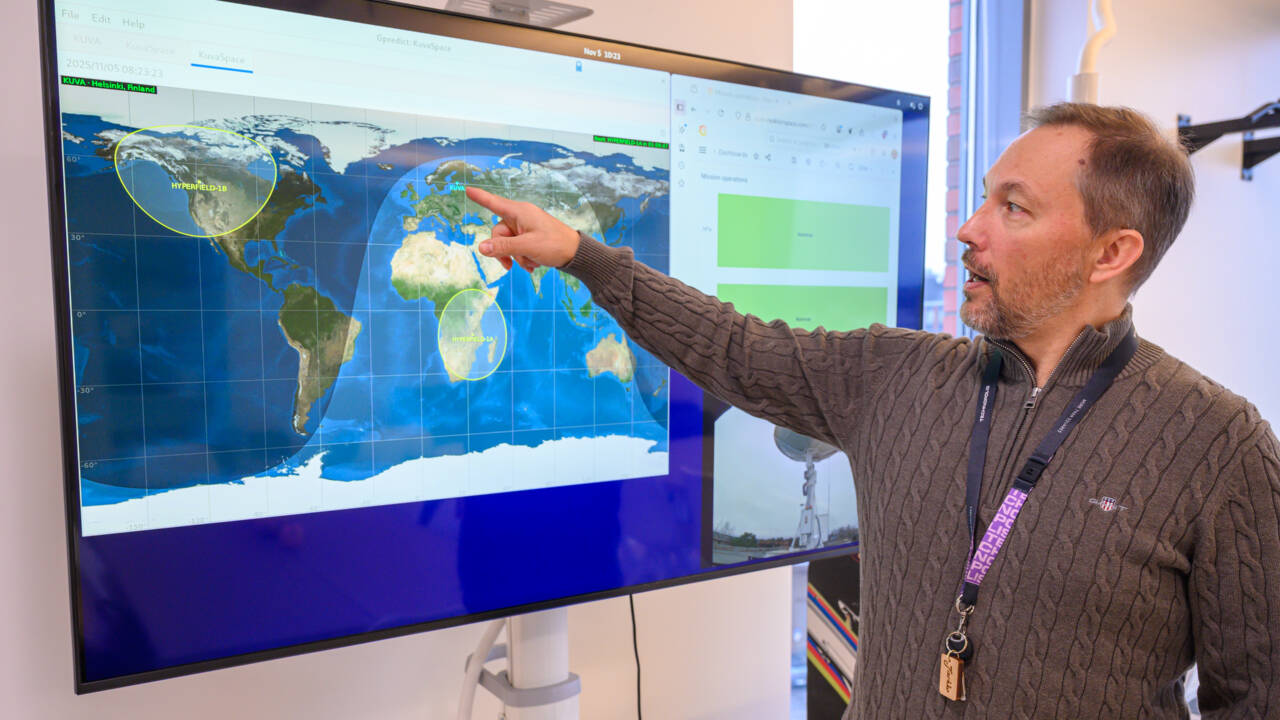
Kuva Space captures rapidly updated Earth observation data through its microsatellites. While the information is increasingly vital for global security, it is also used to monitor climate change, forecast crop yields, analyse water quality, and support land-use planning.