iEER Project Phase 3 Kicked Off

IEER phase 3 was kicked off on December 13. The iEER project is back to business boosting young entrepreneurship, this time with a timely endeavour aiming to support entrepreneurs in their recovery from the economic shock brought by the Covid pandemic.
The kick-off was held online, and first on the agenda was a meeting among the project partners’ high-level representatives. They were welcomed by Mr. Ossi Savolainen, Regional Mayor of Helsinki-Uusimaa. Excitement about the upcoming phase was evident among the participants.
– We now have the chance to focus on the future of our economic activity, and not only the present. Let’s take this chance to address the long-term effects of our actions, said Mr. Martin Kearney, Vice President of the Northern Ireland Local Government Association.
Everyone was excited to be back and picking up the project where it was left in 2020, and to continue exchanging knowledge and practices across regions over one more year. There was lively discussion about different aspects of entrepreneurship – also about themes that were not yet topical in the first two phases of iEER. Topics such as the possibilities provided by digitalisation and remote work amidst the Covid pandemic and the effects of Covid on the mindset of entrepreneurs and students were brought up several times.
The focus, however, lay on creating sustainable and socially inclusive growth towards a green and digital recovery. To achieve that, representatives brought up many important priorities: supporting students, aspiring entrepreneurs, women, immigrants, and rural areas were among the themes of discussion.
One of the main targets of iEER phase 3 is indeed to bring back enthusiasm towards entrepreneurship and lay long-lasting foundation. The coordination group, consisting of project partners from the regions, discussed in their kick-off meeting similar issues and the planned activities to address them. The coordination group agreed to draft a mapping method for a gap analysis, including a survey with target groups. The group discussed the type of methods that would best serve the aims of the project, that is to say, reveal the missing links in their regions’ entrepreneurial ecosystems.
The coordination group took its first steps in the implementation of the year by deciding to meet once a month for project coordination and proposed the mapping methods for the gap analysis.
The iEER story
The iEER Interreg Europe project, initially funded for 2016-2020, defined smart paths and solutions for partners to boost and orchestrate regional entrepreneurship ecosystems supporting young entrepreneurs.
The project was officially closed in 20220. Thanks to additional funding received from Interreg Europe Programme, the iEER project partners reconvene for 2021-2022 and will exchange the good practices in supporting each other for a sustainable and socially inclusive recovery from the Covid pandemic.
For more information, please contact:

Christine Chang
Senior Adviser, EU Affairs
christine.chang@uudenmaanliitto.fi
Strategic international partnerships, research, innovation and entrepreneurship ecosystem development
Take also a look at these
 Cases
4.11.2026
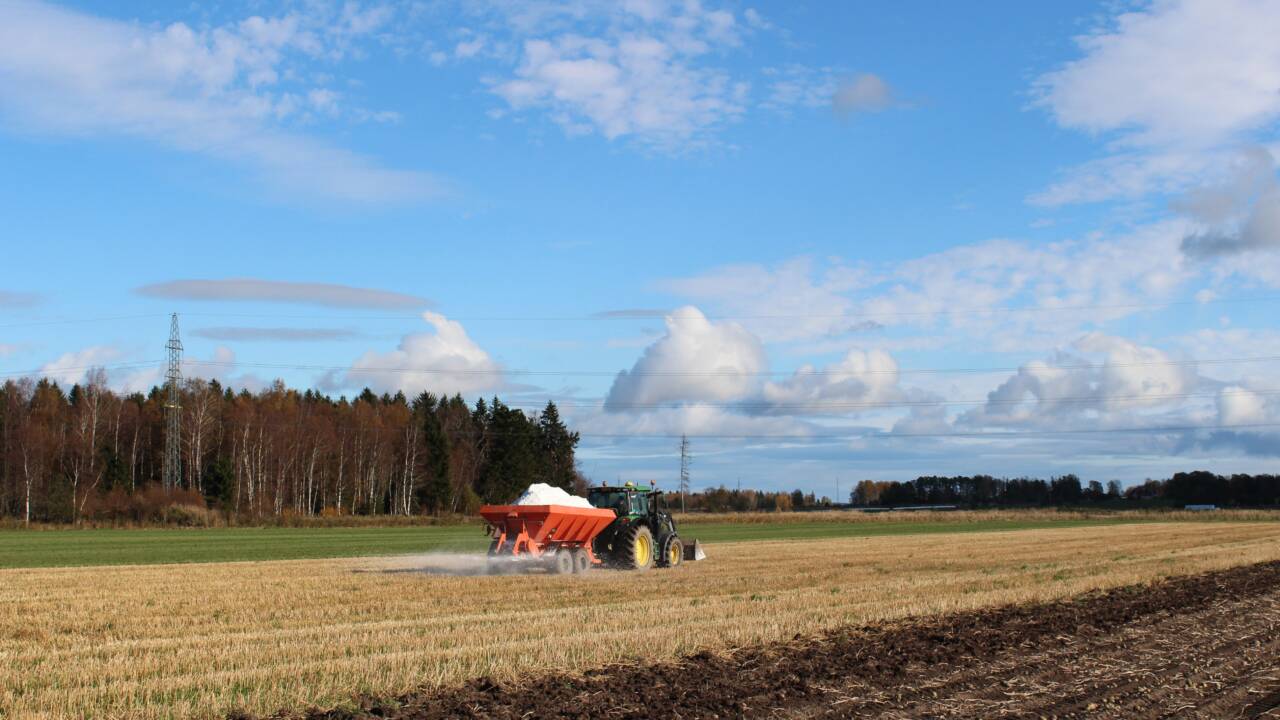
A more efficient nutrient cycle and clean potato stocks – Interreg projects boost Finland’s food security
Domestic food production is a pillar of Finland's security of supply. However, the sector is challenged not only by geopolitical crises but by climate change and the need to reduce production emissions. The Interreg projects have responded to these challenges through international cooperation. Some of the project's focuses have been on promoting the use of recycled nutrients and reducing the nutrient load ending up in waterways.
 News
26.10.2026
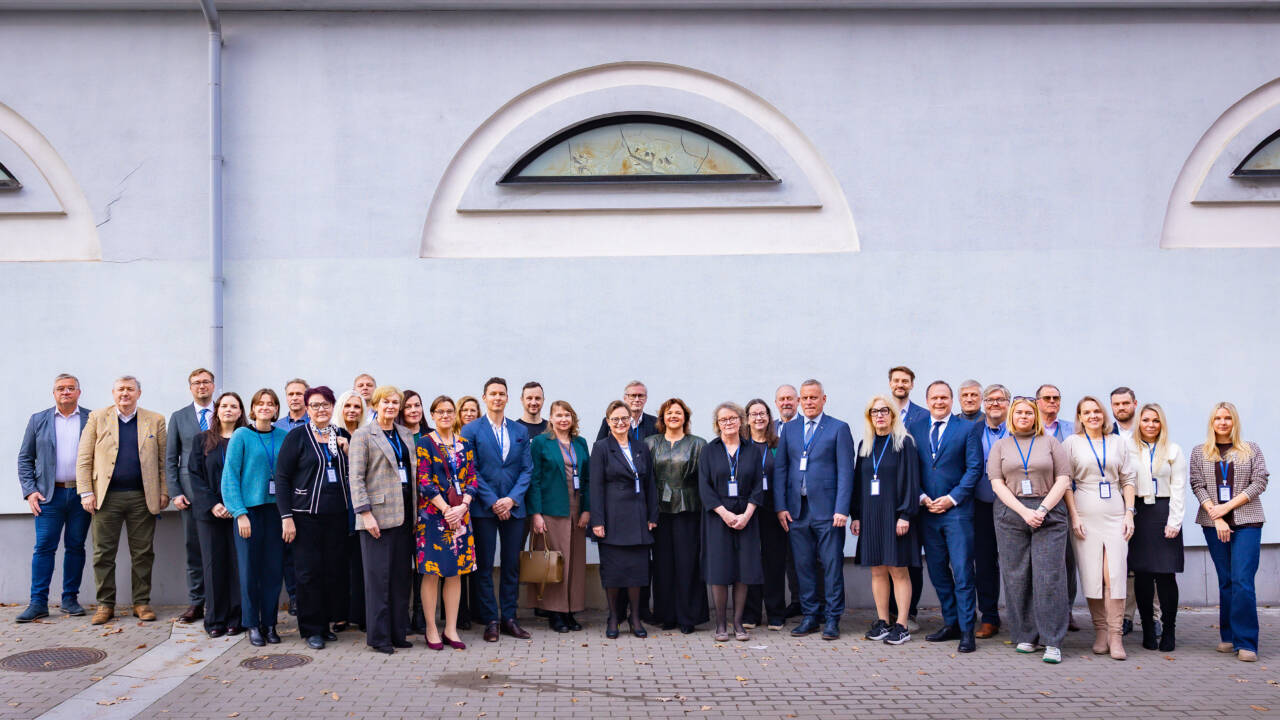
TwinReg strengthens cooperation between Helsinki-Uusimaa and Harju County
Through the TwinReg project, the Helsinki-Uusimaa Region and the Union of Harju County Municipalities have strengthened joint regional planning and explored solutions to everyday cross-border challenges. The project’s final seminar in Tallinn on 22 October brought together policymakers, regional development professionals, researchers, businesses and experts to discuss its findings and the future of cooperation.