Helsinki-Uusimaa speeding up circular economy innovations together with other European top regions
The European Commission has identified the Helsinki-Uusimaa Region as a Regional Innovation Valley (RIV). In cooperation with other top regions in circular economy, Helsinki-Uusimaa is carrying out the project European Circular Innovation Valley, the ECIV.
By bringing together a range of regions across Europe with different innovation levels and linking up their key innovation actors, RIVs aim to strengthen regional innovation ecosystems, bridge the innovation gap in Europe and improve Europe’s overall innovation performance. The project offers the possibility to strengthen the regional innovations in circular economy and make them more international.
– Our objective is to increase the regional research and development expenditure to 5 per cent of the region’s GDP by 2030. Being chosen a RIV and a ECIV cooperation partner are significant steps on our way to these targets, Mr Eero Venäläinen, Regional Development Director at the Helsinki-Uusimaa Regional Council, states.
The ECIV project, part of the Horizon Europe programme, aims to build Europe’s largest circular economy innovation ecosystem, driving sustainable development and collaboration across the continent. This project is set to turn European regions into dynamic circular economy hubs – so called European “dance floors” for circular solutions.
Proposing innovative circular solutions
–Our Region is one of the key regional partners in the ECIV. The Helsinki-Uusimaa Regional Council offers its extensive experience in circular economy projects, such as the Helsinki-Uusimaa Circular Valley and the national Economy Green Deal, commented by Ms Christine Chang, Project Manager at the Council.
Over the next five years, the ECIV will significantly advance the transition towards a circular economy of the regions (and of Europe) generating sustainable growth and development in the participating regions.
–With the ECIV, we can share our expertise and build Europe’s largest circular economy ecosystem while providing opportunities for our businesses to join international innovation efforts, Ms Chang continues.
Sixty percent of the ECIV project will be allocated to open calls organised by the Normandy Region in France, encouraging startups and other companies to propose innovative circular solutions. Funding will be offered to international/transnational projects in value chains of various industrial sectors. During 2025, our regional actors in Helsinki-Uusimaa will be informed about their possibilities to apply for funding.
ECIV building and renewing co-innovation
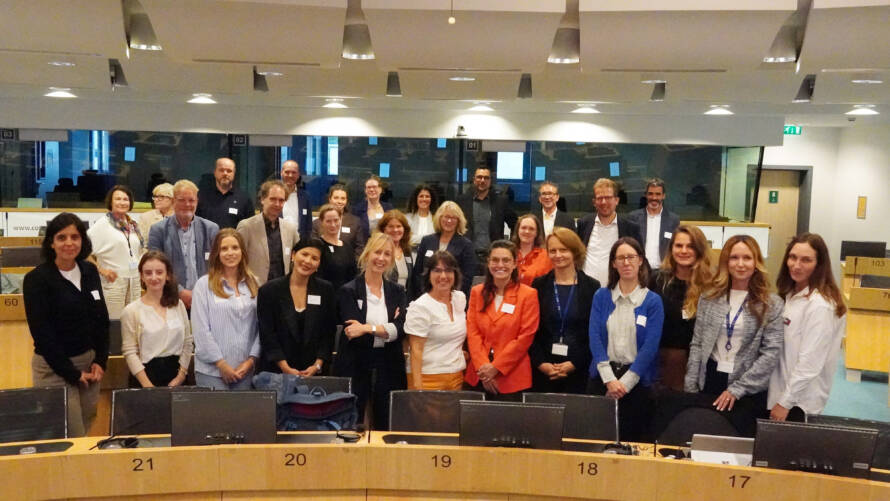
The ECIV brings together 19 entities from 9 countries, led by the Government of Navarra, Spain. Key regional project partners are also the Northern Netherlands Alliance, North Middle Sweden Region, the Ministry of Innovation and Growth of Bulgaria, the Service Public de Wallonie Economie in Belgium, Scottish Enterprise, and Lithuania’s Innovation Agency in the Baltics. The Association of Cities and Regions for Sustainable Resource Management (ACR+) belongs to the ECIV, as well.
The project, starting on 1 September 2024 is going on until 30 August 2029, is funded with a total budget of 27 million euros; 13,6 millions of the funding comes from the EU programme Horizon Europe. The operational budget of the Helsinki-Uusimaa Regional Council is about 356,000 euros.
72 regions have been identified as Regional Innovation Valleys (RIV) by the European Commission. All regions participating in the ECIV project are Regional Innovation Valleys. The Innovation Valleys promote European strategic priorities, like green transition and digital transformation.

For more information, please contact:

Christine Chang
Senior Adviser, EU Affairs
christine.chang@uudenmaanliitto.fi
Strategic international partnerships, research, innovation and entrepreneurship ecosystem development

Venla Virkamäki
Innovation Manager
venla.virkamaki@uudenmaanliitto.fi
Development of R&I and international marketing, Strategy for smart specialisation, EU cooperation
Find Out More

Innovative Helsinki-Uusimaa
The Helsinki-Uusimaa Region is one of the most innovative regions in Europe and the most dynamic region in Finland.


Take also a look at these
 News
News
8.10.2026
Over billion euros in Horizon Europe funding secured for Helsinki-Uusimaa
Organisations in the Helsinki-Uusimaa region have so far received around 1.07 billion euros from the European Union's Horizon Europe programme for research, development and innovation (RDI) activities. This is more than 60 per cent of all the funding Finland has received during the EU's current programme period of 2021–2027.
 Cases
Cases
7.10.2026
Future traffic in the Baltic Sea and urban airspace
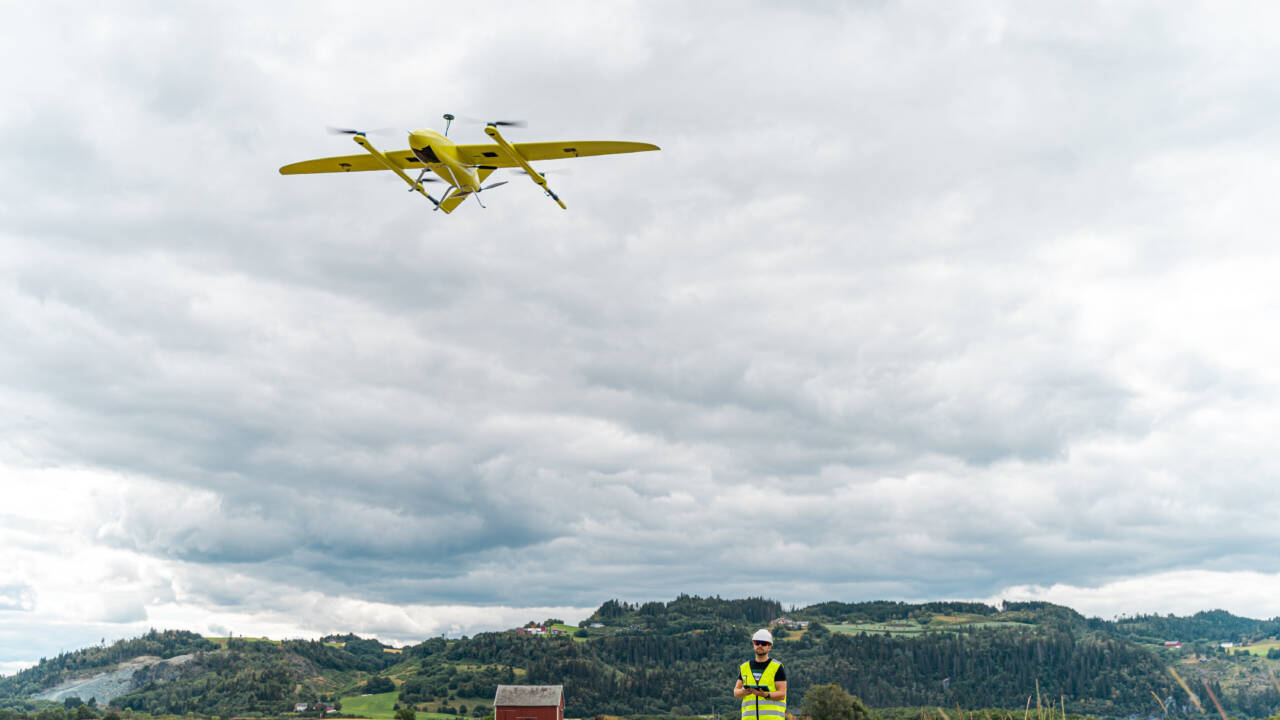
Safe navigation in the waters and air of the Baltic Sea region is increasingly dependent on up-to-date information, functioning backup systems, and foresight. In projects under the Interreg Baltic Sea Region programme, Finnish operators have developed solutions that improve navigation and preparedness for disruptions, and help cities to prepare for the proliferation of drones.
 News
News
23.9.2026
Number of foreign-language speakers in Helsinki-Uusimaa Region could double by 2045
It is estimated that the number of foreign-language speakers living in Uusimaa will rise from around 339,500 to around 674,000 by 2045. Growth continues to be heavily concentrated in the large cities of the Helsinki metropolitan area.
 Cases
Cases
2.9.2026
Sustainable tourism on the shores of the Baltic Sea – Water load management, cycling routes, and rural produce
Protecting the sensitive waters of the archipelago with wastewater solutions, Europe-wide cycling tourism highways, and new services from rural food producers all go hand in hand. Tourism in the Baltic Sea region is developed sustainably through cross-sectoral, cross-border cooperation and flexible local solutions. They are made possible by the EU's Interreg Baltic Sea Region programme.