Helsinki-Uusimaa at the forefront of adaptation and circular economy
The Helsinki-Uusimaa Region has applied to be one of the pioneers implementing both the EU Mission Adaptation to Climate Change and the EU Circular Cities & Regions Initiative with the focus on furthering circular systemic solutions. Earlier this spring, the cities of Espoo and Helsinki were selected by the European Commission to implement the EU Climate-Neutral and Smart Cities Mission together with other pioneers.
Helsinki-Uusimaa wishes to also be Well Ahead in adaptation
Next year, with its preparation of a regional adaptation plan kicking off, our Region intends to widen its climate actions to improve our adaptation to climate change. To support this work, Helsinki-Uusimaa applied to become a pioneer in the EU Mission Adaptation to Climate Change. This Mission is now a part of the Horizon Europe, which is the EU’s research and innovation programme.
The Mission aims at helping its pioneer cities and regions to better understand, prepare and manage climate risks. The regions joining the Mission sign the Mission Charter to express their wish to become climate resilient by 2030, that is to participate in the Mission Adaptation and prepare better for the climate change.
–We decided to apply for the possibility to participate in the EU Mission Adaptation to Climate change to express our aim to be Well Ahead in this field and to get support for our adaptation actions, Climate Change Adviser Simo Haanpää says.
This is one of five EU Missions altogether. EU Missions are a new way to bring concrete solutions to some of our greatest challenges, such as fighting cancer, protecting our seas and adapting to climate change together. They are a new way to create new ideas and bring concrete solutions to some of our greatest challenges and receive funding from the Horizon Europe Research and Innovation Programme for the years 2021-2027. To get funding for adaptation projects in line with a Mission, you do not need to take part in it, but any eligible stakeholder can apply for it, as long as the program criteria are filled.
Participants of this Mission collaborate by exchanging experiences and information. Furthermore, they get information and data for risk evaluations and information about funding possibilities. The Mission also implements the EU Adaptation Strategy from regional points of view. It will help the chosen regions and local authorities to better understand, prepare for and manage climate risks, as well as to develop innovative solutions to build resilience.
Espoo and Helsinki among one hundred forerunner cities
Earlier this spring, the cities of Espoo and Helsinki were selected to take part in the Mission aiming at ‘100 climate-neutral and smart cities by 2030’. The cities of Lahti, Lappeenranta, Tampere and Turku were chosen from Finland, as well. The cities chosen to the Mission represent all member states and they are expected to set a good example to others.
They will get tailored advice and given the possibility to seek for financing and join piloting projects. The Mission also provides networking opportunities, exchange of best practices between regions and local authorities, and support to engage citizens.
Helsinki-Uusimaa wishes to be at the forefront of circular economy
The Circular Cities and Regions Initiative furthers the circular economy across European cities and regions. Helsinki-Uusimaa has expressed its interest in becoming a Circular Cities and Regions Pilot. Regionally, this would support the Circular Valley that has been planned. Regional themes would include textiles, plastics and the building sector. This initiative is launched by the EU, and it is implementing its Circular Economy Action Plan.
–Being a CCRI Pilot would give us guidance and help from experts to evaluate our current plans and to identify our essential value chains. We could then collaborate with other stakeholders, access and exchange information and knowledge, Senior Adviser Venla Virkamäki states.
Finland aims to be a pioneer in Circular Economy and Helsinki-Uusimaa plays in many ways a significant role in reaching this goal.
–Our regional possibilities to further and develop circular economy are good. But there is certainly still a lot to be done to get the entire region to collaborate fully. Ms Virkamäki tells us that the Council is now looking for support from circular economy experts within the EU to strengthen the regional innovation ecosystems.
For more information, please contact:
Simo Haanpää
Adviser, Climate Change
simo.haanpaa@uudenmaanliitto.fi
Climate change adaptation, Regions4Climate Project
Venla Virkamäki
Innovation Manager
venla.virkamaki@uudenmaanliitto.fi
Development of R&I and international marketing, Strategy for smart specialisation, EU cooperation
Take also a look at these
 Cases
Cases
23.10.2026
Solar energy for housing companies and hydrogen as fuel – Interreg projects deliver future energy solutions
The Interreg Baltic Sea Region projects tackle cross-cutting future challenges and increase cooperation between EU regions. Finland has been involved in projects whose road maps have been created to increase the use of hydrogen fuel in lorry traffic and at airports. There have also been studies on the establishment of solar energy communities.
 News
News
8.10.2026
Over billion euros in Horizon Europe funding secured for Helsinki-Uusimaa
Organisations in the Helsinki-Uusimaa region have so far received around 1.07 billion euros from the European Union's Horizon Europe programme for research, development and innovation (RDI) activities. This is more than 60 per cent of all the funding Finland has received during the EU's current programme period of 2021–2027.
 Cases
Cases
7.10.2026
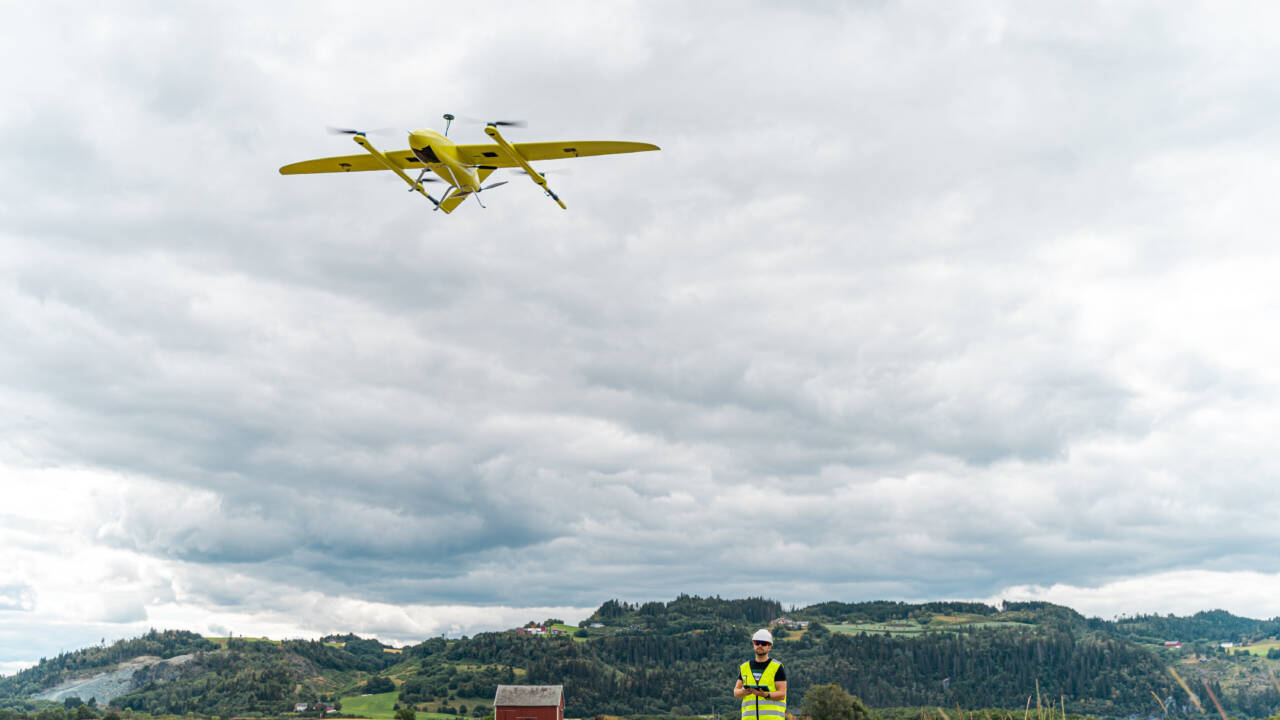
Future traffic in the Baltic Sea and urban airspace
Safe navigation in the waters and air of the Baltic Sea region is increasingly dependent on up-to-date information, functioning backup systems, and foresight. In projects under the Interreg Baltic Sea Region programme, Finnish operators have developed solutions that improve navigation and preparedness for disruptions, and help cities to prepare for the proliferation of drones.
 Cases
Cases
2.9.2026
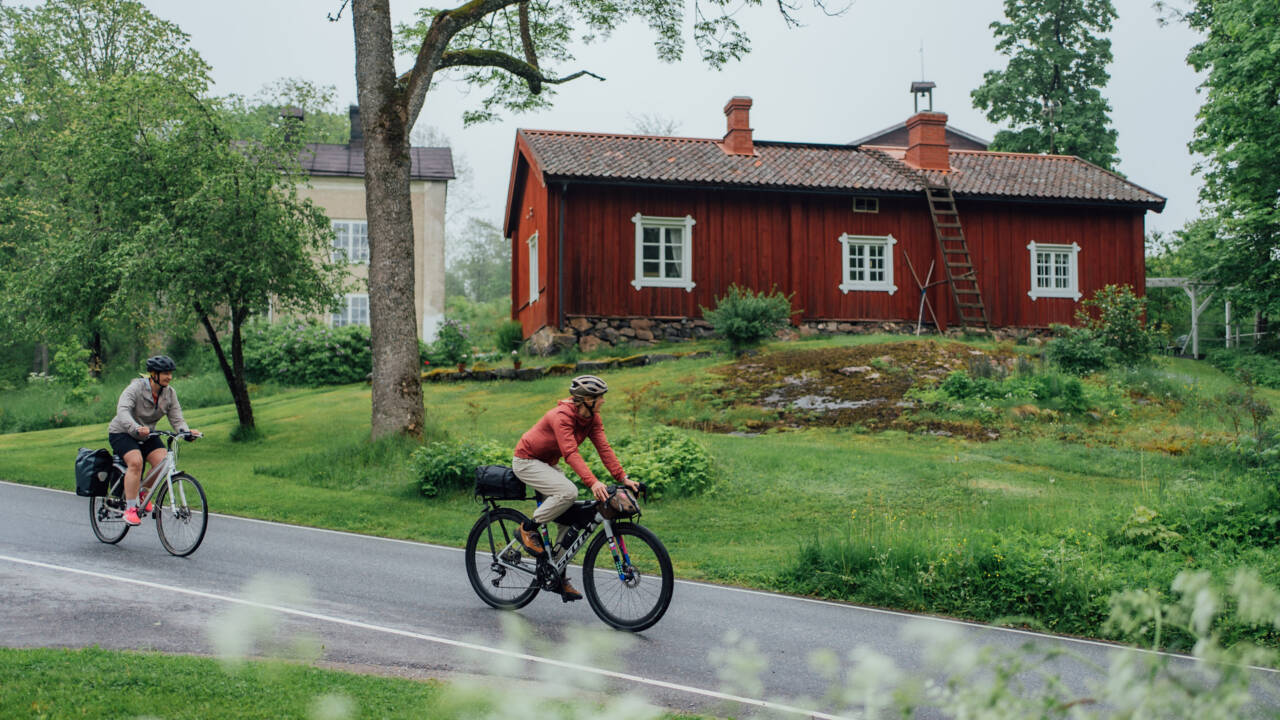
Sustainable tourism on the shores of the Baltic Sea – Water load management, cycling routes, and rural produce
Protecting the sensitive waters of the archipelago with wastewater solutions, Europe-wide cycling tourism highways, and new services from rural food producers all go hand in hand. Tourism in the Baltic Sea region is developed sustainably through cross-sectoral, cross-border cooperation and flexible local solutions. They are made possible by the EU's Interreg Baltic Sea Region programme.