Sustainable tourism on the shores of the Baltic Sea – Water load management, cycling routes, and rural produce
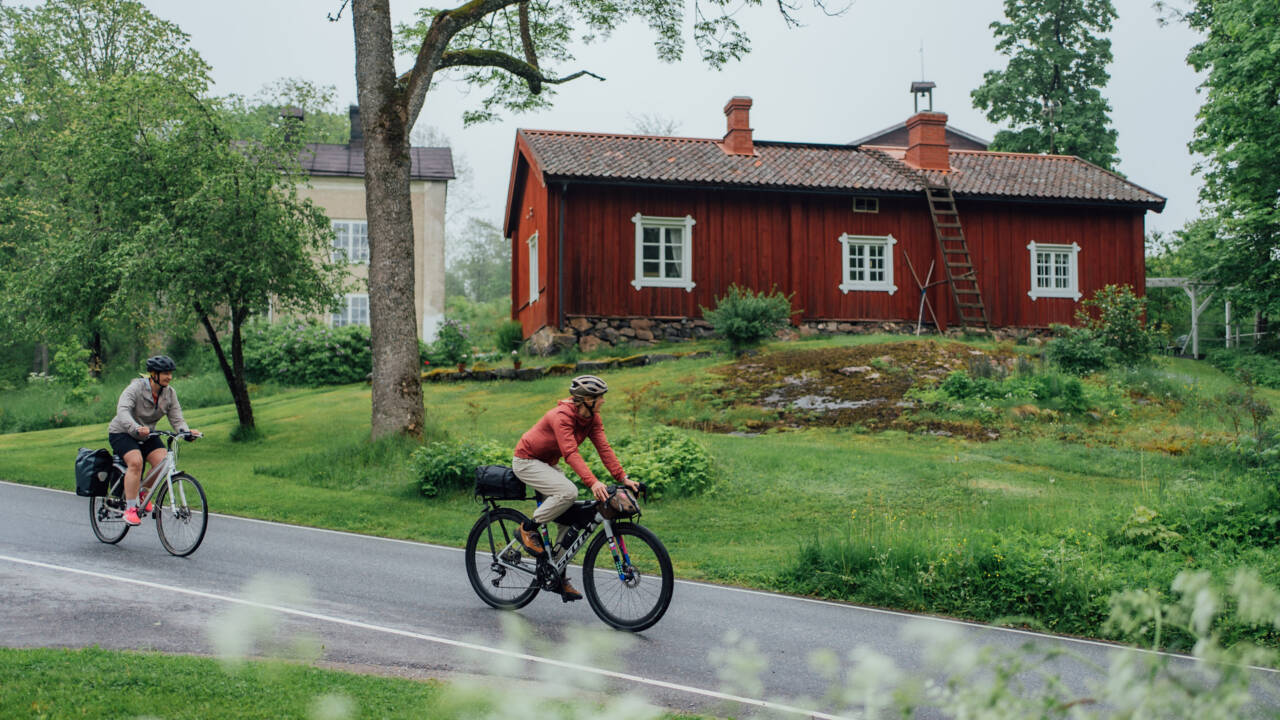
Protecting the sensitive waters of the archipelago with wastewater solutions, Europe-wide cycling tourism highways, and new services from rural food producers all go hand in hand. Tourism in the Baltic Sea region is developed sustainably through cross-sectoral, cross-border cooperation and flexible local solutions. They are made possible by the EU’s Interreg Baltic Sea Region programme, whose projects include Finland, Sweden, Norway, Denmark, Estonia, Latvia, Lithuania, Poland, and Germany.
More efficient wastewater treatment in peak seasons
The coastal and archipelago regions are the most sensitive areas of the Baltic Sea, and wastewater treatment plays a critical role in their protection. The NURSECOAST-II project is seeking solutions to curb eutrophication of the Baltic Sea in areas burdened by tourism.
The popularity of domestic tourism shows as spiking increases in wastewater in the summer, but during the off-season, the utilisation rate of water treatment plants decreases significantly. This seasonal variation puts the capacity and flexibility of coastal systems to the test.
– Inadequate management poses a direct risk to the sea. Nutrient emissions from just one person can accumulate up to 17.5 kilograms of algae during a one-week trip. We must find sustainable solutions to ensure that wastewater does not end up in the Baltic Sea. This project enables us to study and evaluate different methods and find out which solutions work in practice and which are not suitable for certain areas, says Niklas Niemi, Project Coordinator at Pidä Saaristo Siistinä ry.
Nanobubbles and wetlands to improve wastewater treatment efficiency
The NURSECOAST-II project will run until the end of September 2026, and it has constructed wetlands to improve the efficiency of small treatment plants and has evaluated the effectiveness of nanobubble technology in enhancing oxidation. New technologies are tested in real-world environments, providing realistic data on their cost and scalability. The results demonstrate the ability to manage load spikes flexibly, eliminating the need for costly system renewals.
– Nanobubble technology can be used, for example, to temporarily increase treatment efficiency during load spikes. Constructed wetlands act as effective buffers for seasonal fluctuations. In addition, the utilisation of UV-treated wastewater in e.g. irrigation reduces the load on the water system and supports the circular economy of water. However, the reuse of wastewater in irrigation is limited by national regulatory and licensing practices, which vary from country to country and have slowed down the implementation of practical applications, says Virpi Vorne, researcher at Natural Resources Institute Finland (LUKE Oulu).
According to Vorne, international cooperation has shown how many practical solutions can be learned from other Baltic Sea countries. In Denmark, for example, nanobubble technology has been piloted and tested in wastewater treatment more extensively than in Finland, although large-scale implementation is still limited. However, there is no universal model for wastewater management. Successful solutions combine technology, nature-based approaches, and adaptation to local conditions.
Inkoo serves as a model for flexible wastewater management
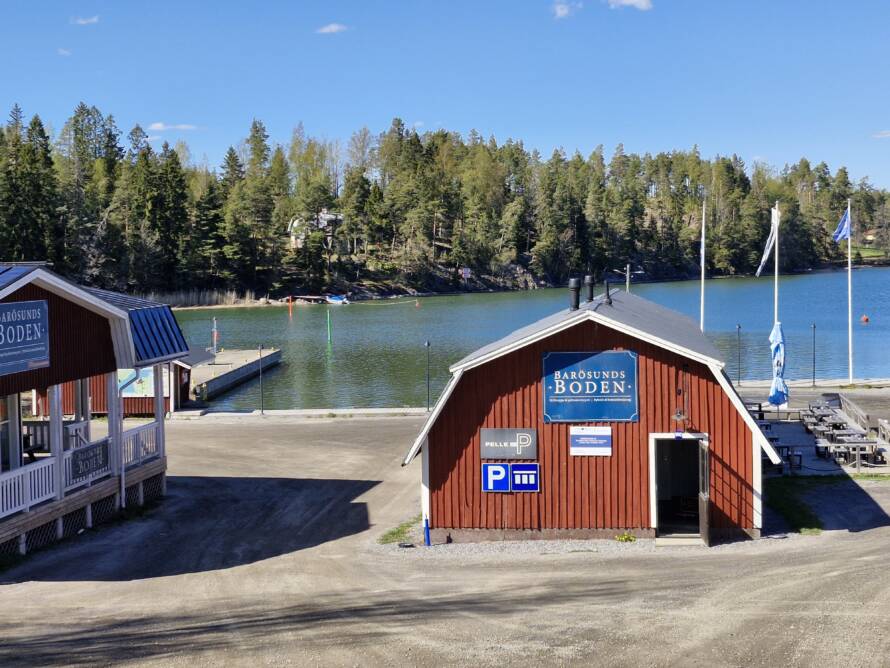
At the Barösund pilot site in Inkoo, the entire wastewater system was refurbished to meet the exceptionally high seasonal fluctuations. The sludge recycling equipment can now withstand quiet periods but responds quickly to seasonal spikes.
According to Piia Nordström, Municipal Engineer at Inkoo, the investment made in cooperation with the local water cooperative is important for the tourism and vitality of the entire region. Tourism in Barösund is growing with the popular archipelago restaurant Scola and tourist destinations such as Hotel Barö. The increase in the number of tourists must be met by taking care of the prerequisites for growth.
– In 2024, a renovated 800-seat small boat harbour was opened in the village centre of Inkoo, which is directly connected to the development of Barösund through the increase in boating. In addition to boating, Inkoo’s position will be boosted as a destination for cycling trips when the new cycling route developed by the municipalities of Inkoo and Siuntio is connected to the pan-European EuroVelo route and the South by Cycle route in Uusimaa and Kymenlaakso. These routes will bring new groups of travellers to the area. Functional basic services are a prerequisite for sustainable coastal growth, says Nordström.
The cycling highway is developing in Finland
Bicycle tourism is a growing trend that combines sustainable tourism, low-emission and health-promoting mobility, and the vitality of the countryside. The EuroVelo 10 Baltic Sea Cycle Route, a “cycling highway” running through nine European countries, offers cyclists a high-quality way to explore the Baltic Sea coast. Its development was at the heart of the Bike across the Baltic – Improving bicycle tourism around the Baltic Sea (BAB) project, which ended in 2025.
In Finland, EuroVelo 10 runs along the Baltic coast from the Russian border to the Swedish border. Heidi Heikkilä, Project Manager of the BAB-project at Turku University of Applied Sciences, says that the route has already been signposted from Vaalimaa to Vaasa. However, tourists have lacked more detailed information about the conditions in the area. During the project, a significant gap was filled by compiling comprehensive route descriptions from Helsinki to Pori.
– The EuroVelo routes are a guarantee of quality in bicycle tourism. It is crucial for cyclists to know what to expect from their trip. The conditions in Finland are different from, for example, Central Europe and a high-quality route description will help in planning trips, Heikkilä says.
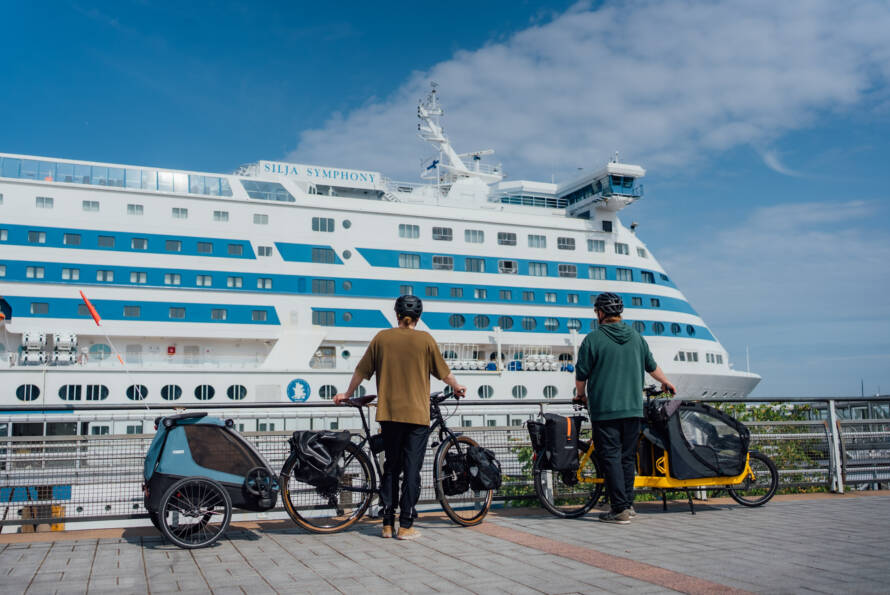
European bike tourists head to the Baltic Sea
The project has also increased entrepreneurs’ awareness of cyclists as a customer group. For example, the Welcome Cyclist logo allows companies to communicate their services to cyclists in Finland. The Finnish model has been benchmarked in Sweden and Estonia, and Poland’s similarly advanced route planning has provided lessons for Finnish operators.
Particular attention has been paid to logistics, such as ferry connections between Finland, Sweden, Estonia, and Poland to make the transitions from one country to another as smooth as possible for the tourists.
– Bicycle tourism plays an important role in supporting local vitality and micro-entrepreneurship, as routes often run through rural areas and small towns. The Baltic Sea region has excellent conditions for becoming a top destination for bicycle tourism. Bright summer evenings, lack of congested traffic in the countryside, easy terrain, and moderate temperatures all attract tourists who are looking for alternatives to the heat in southern Europe, says Heikkilä.
While site views and ferry statistics for tourism organisations show an increase in interest, more detailed information on how to use the cycling routes is still needed to support investment and marketing. The know-how gained in the project will now be carried over to the next stages of development, such as the planning of the EuroVelo 11 route.
Bringing rural food producers to the same table
The situation has been challenging in the post-pandemic environment for small food producers in rural areas. There are rarely any additional resources available to develop something new alongside primary production.
The aim of the BASCIL project, which ended in 2025, was to bring development close to the entrepreneurs’ everyday life and in a way that fits their actual resources. The project strengthened the capacity of producers to meet the growing demand for food tourism and to develop food tourism products and services based on local food culture.
Visits to the project’s pilot areas provided insights on the practices of companies in other Baltic Sea countries. A network of food tourism developers in the Baltic Sea region was also launched within the project framework.
– We gained new ideas from international cooperation, but it also underlined the idea that Finnish food culture and ingredients also have international appeal. In particular, we gained the courage to turn even small entities into products and to make use of local themes and narratives. On the other hand, we shared our Finnish expertise in responsibility, customer-centredness, and networking, says Tiia-Mari Eilola, Project Manager at South-Eastern Finland University of Applied Sciences (Xamk).
Local food tours and farm visits
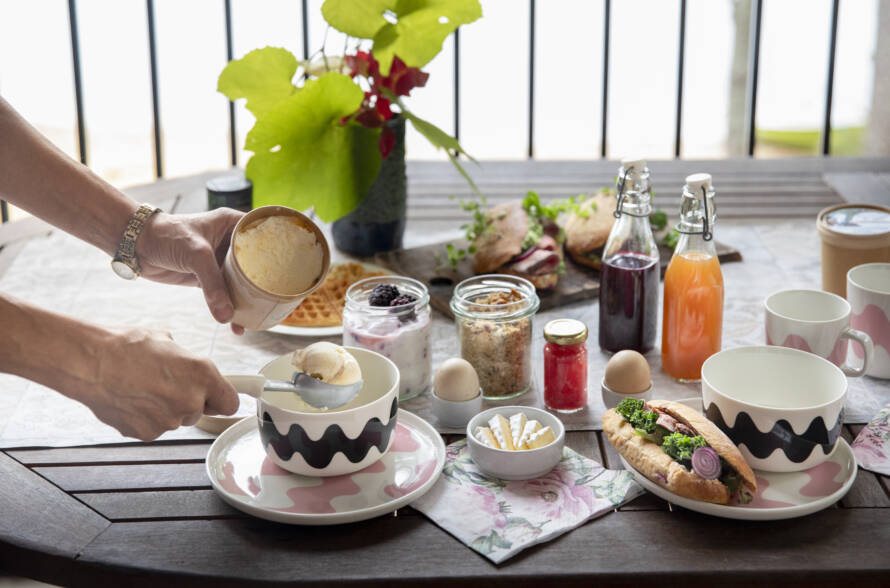
In addition to Xamk, the Finnish BASCIL project also involved Lomalaidun ry, which develops rural tourism on a national scale. The pilot areas were South Savo and South Karelia where several products and services combining food production and food tourism were developed. They were designed together with tourism operators and local companies. The companies received practical support: training, workshops, company-specific guidance and encouragement, as well as practical tools and materials for developing tourism services.
– We produced and developed a variety of seasonal events, local food tours, farm visits, farm shops, cooking classes, pop-up cafes, and product packages. We also tested new ways to market products and the Saimaa region as a food tourism destination. We also assisted producers in finding new sales channels and customer groups, says Eilola.
Networking, controlled renewal, and supporting business resilience will also improve the vitality of rural areas in the long term. Katja Vehviläinen, Director of South Karelia Tourism Regional Organisation goSaimaa Oy, says that networks will also be used in developing tourism services in the Lappeenranta and Imatra region in the future.
– We will continue to support entrepreneurs after the project by improving cooperation between programme service providers, restaurants, hotels, and local producers, as well as by integrating local food producers and farms more closely into tourism development and by creating new tourism products, says Vehviläinen.
Creating impact through projects
The Interreg Baltic Sea Region 2021–2027 Programme is a transnational cooperation programme covering countries across the Baltic Sea region. While the programme area includes several major European metropolitan regions, the majority of the territory is rural.
The programme aims to support the green transition and strengthen resilience across the Baltic Sea region, while improving the quality of life of its residents.
The Helsinki-Uusimaa Regional Council is responsible for national communication for the Baltic Sea Region Programme. In addition, we grant and pay national co-financing to Finnish partners in projects funded under the programme during the 2021–2027 programming period and act as the programme’s supervisory authority.
This article is part of a five-part series exploring the results and impacts of Interreg Baltic Sea Region projects. The article was written by Päivi Savolainen (OSG).
Take also a look at these
 News
News
8.10.2026
Over billion euros in Horizon Europe funding secured for Helsinki-Uusimaa
Organisations in the Helsinki-Uusimaa region have so far received around 1.07 billion euros from the European Union's Horizon Europe programme for research, development and innovation (RDI) activities. This is more than 60 per cent of all the funding Finland has received during the EU's current programme period of 2021–2027.
 Cases
Cases
7.10.2026
Future traffic in the Baltic Sea and urban airspace
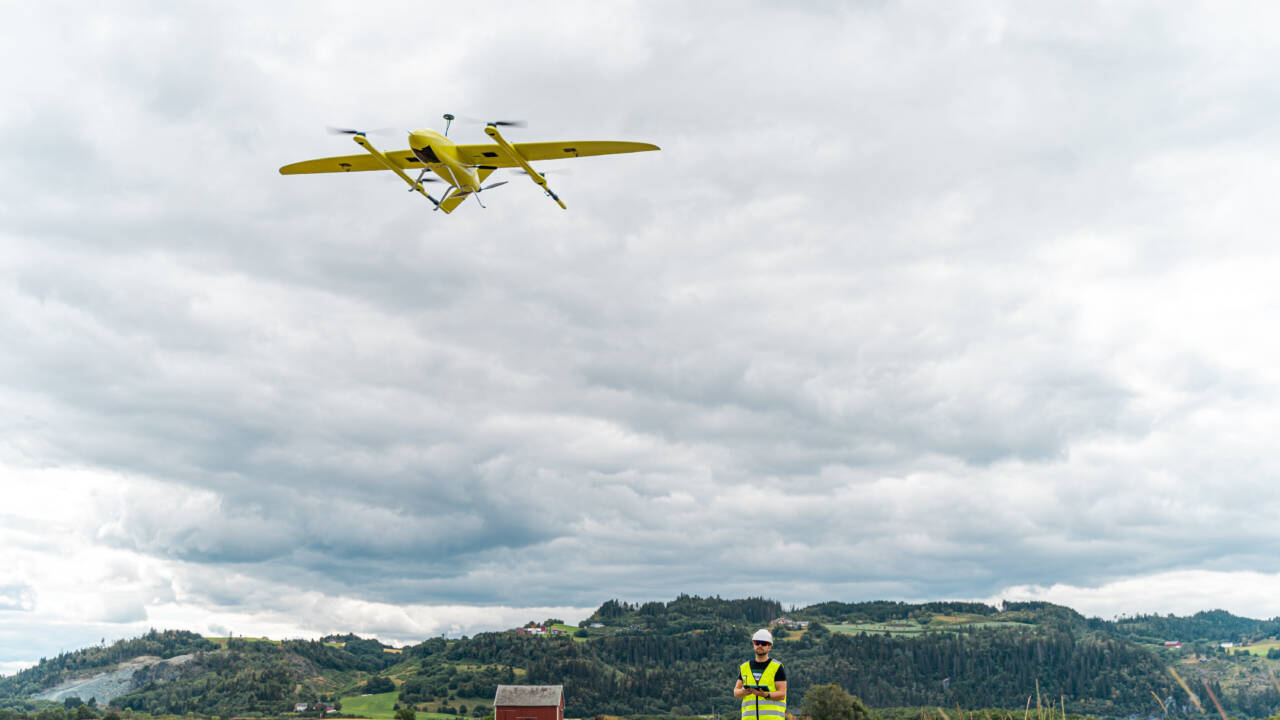
Safe navigation in the waters and air of the Baltic Sea region is increasingly dependent on up-to-date information, functioning backup systems, and foresight. In projects under the Interreg Baltic Sea Region programme, Finnish operators have developed solutions that improve navigation and preparedness for disruptions, and help cities to prepare for the proliferation of drones.
 Cases
Cases
23.6.2026
Daily global data from Kuva Space’s satellites
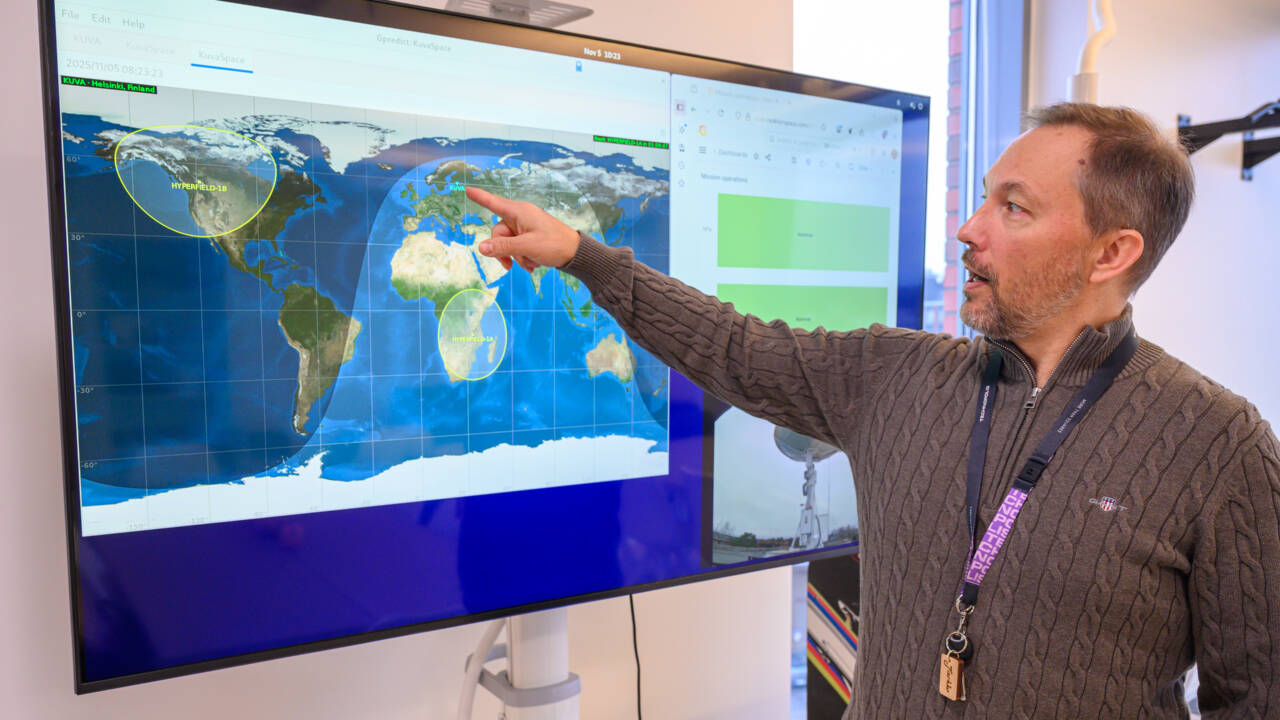
Kuva Space captures rapidly updated Earth observation data through its microsatellites. While the information is increasingly vital for global security, it is also used to monitor climate change, forecast crop yields, analyse water quality, and support land-use planning.
 News
News
29.5.2026
New Horizon Europe CIRCULANDIA project promotes circular food systems, regenerative agriculture and reusable packaging
The European Commission has awarded Horizon Europe funding to the implementation of the CIRCULANDIA project on circular food systems.